 EN
EN

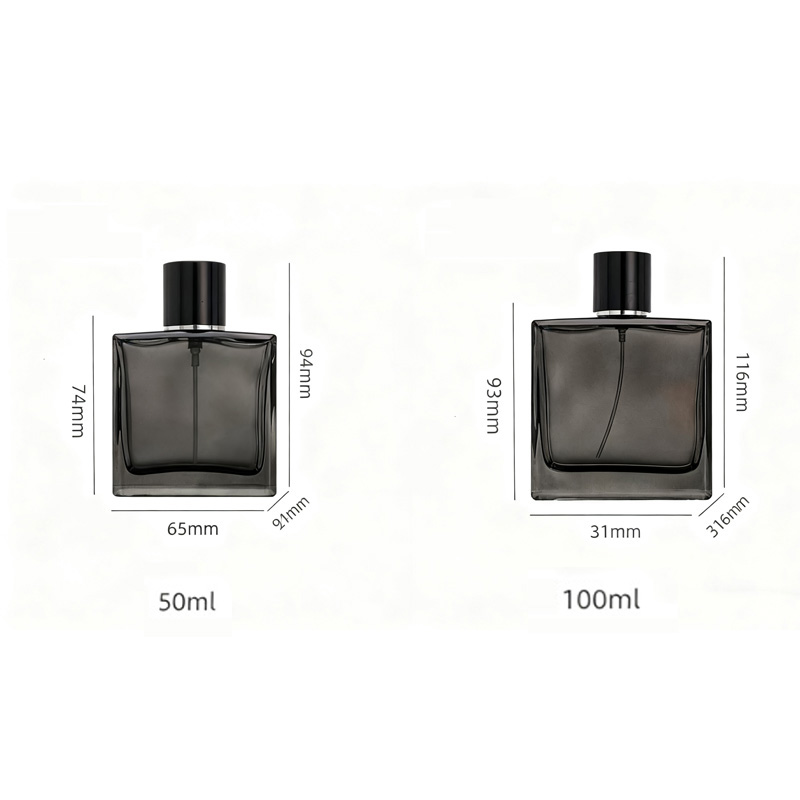
Core Design Principles of Minimalist Perfume Bottles
Simplicity, Geometry, and Precision: Visual Language of Modern Luxury
A minimalist perfume bottle strips away ornamental excess, letting clean geometry and restrained detailing speak. Simple cylinders, cubes, and spheres dominate—not as a lack of imagination but as a deliberate return to form following function. These shapes create visual stability, making the bottle appear calm and considered on any shelf. Color palettes are typically monochrome or neutral, with transparency prioritized so the liquid’s natural hue becomes part of the design. Labels are reduced to essential typography and subtle brand marks, avoiding decorative clutter. The result is a modern, sophisticated, and intentionally quiet object—one that signals luxury through understatement rather than embellishment. By focusing on proportion, balance, and negative space, the design invites slower, more deliberate interaction—a hallmark of contemporary high-end branding.
Material Integrity: Recycled Glass, Matte Aluminum, and Tactile Restraint
The physical experience of a minimalist perfume bottle is as intentional as its appearance. Materials are selected for honesty and tactile authenticity. Recycled glass delivers organic clarity—slightly imperfect, yet premium—reinforcing sustainability without compromising luxury. Matte aluminum caps and collars offer cool, soft tactility that contrasts elegantly with smooth glass, creating a sensory pause upon handling. Frosted finishes enhance this quality, lending surfaces a velvety appearance that diffuses light and resists fingerprints. These choices reflect conscious luxury: fewer virgin resources, lower environmental impact, and enduring elegance. The restraint is both visual and ethical—an honest material expression that deepens emotional resonance between user and object.
Consumer Psychology Behind the Rise of Minimalist Perfume Bottle Appeal
Minimalism as Lifestyle Extension: From Wardrobe to Fragrance Ritual
Choosing a minimalist perfume bottle reflects a broader lifestyle shift toward intentionality—where clean lines in fashion and uncluttered living spaces extend naturally into fragrance rituals. A recent survey found that 70% of consumers feel more connected to brands that align minimalism with functionality, highlighting demand for coherence between personal values and product aesthetics. Here, the bottle functions not just as packaging but as a ritual object: its refined simplicity signals quiet confidence and reinforces the wearer’s identity as a curator of meaningful, clutter-free experiences. This psychological alignment transforms daily fragrance application into a mindful act—one that affirms self-image and deepens brand affinity.
Cognitive Ease and Sensory Clarity: How Clean Packaging Enhances Fragrance Perception
Visual noise in packaging increases cognitive load, diluting attention and diminishing sensory engagement. A minimalist perfume bottle eliminates distraction, allowing the brain to rest on essential form. This reduction fosters cognitive ease—the mental state in which simple, familiar shapes are processed effortlessly—freeing attention for olfactory nuance. When the bottle communicates purity, the wearer subconsciously transfers that perception to the scent, heightening its perceived refinement and authenticity. In a market saturated with visual complexity, absence becomes powerful: the minimalist vessel acts as a silent guide, preconditioning the user to experience the fragrance as high-quality, unadulterated, and deeply intentional.
Sustainability and Operational Benefits of Minimalist Perfume Bottle Design
Eco-Advantages: Reduced Material Use, Lightweighting, and End-of-Life Recyclability
Minimalist perfume bottle design directly lowers environmental impact by eliminating excess glass, caps, and decorative layers. Streamlined construction can reduce raw material use by up to 30% compared to ornate alternatives—cutting mining demand and production energy. Lightweighting compounds these gains: industry analysis shows a 15% weight reduction across shipping units can lower fuel-related CO₂ emissions by nearly 12%. At end-of-life, simplified architecture improves recyclability—fewer mixed-material components (e.g., glued metal plates or plastic inserts) mean easier sorting and processing in standard glass recycling streams. Brands adopting this approach often incorporate high percentages of post-consumer recycled content, closing the loop while preserving premium integrity. These efficiencies translate to lower logistics costs and a smaller environmental ledger—making minimalist design both ethically sound and operationally strategic for sustainability-focused luxury houses.
Strategic Brand Differentiation Through Timeless Perfume Bottle Aesthetics
In a saturated luxury market, minimalism offers durable competitive advantage. Ornate packaging risks obsolescence; minimalist bottles transcend trends, projecting enduring sophistication. This aesthetic restraint becomes a silent differentiator—signaling brand confidence, clarity of purpose, and commitment to substance over spectacle. As the Fragrance Foundation notes, distinctive bottle design can boost consumer interest by up to 40%, and minimalist forms maximize that effect by removing visual competition. With decoration stripped away, the fragrance itself takes center stage—reinforcing the brand’s dedication to olfactory excellence. Over time, such designs evolve into iconic symbols, gracing vanities for years and fostering deep, lasting loyalty. In an era of fleeting digital attention, the quiet authority of a beautifully simple bottle captures the eye—and cements a legacy.
Frequently Asked Questions
What defines a minimalist perfume bottle?
A minimalist perfume bottle emphasizes clean geometry, restrained detailing, and neutral or monochrome palettes. It uses simple shapes and materials to create a refined and understated object, prioritizing function and aesthetics simultaneously.
Why are recycled materials used in minimalist bottle designs?
Recycled materials, such as glass and matte aluminum, are employed to reinforce sustainability and tactile authenticity while maintaining the premium appeal of the product. They offer environmental advantages without compromising luxury.
How does minimalist packaging enhance fragrance perception?
Minimalist packaging eliminates visual noise, reducing cognitive load. This allows users to focus more on the fragrance itself, subconsciously enhancing its refinement and authenticity.
What operational and environmental benefits do minimalist bottles provide?
Minimalist bottles use fewer materials, simplify logistics with lightweight designs, and are highly recyclable at end-of-life. These features lower production costs, environmental impact, and fuel-related CO₂ emissions during transportation.
Can minimalist perfume bottles build brand loyalty?
Yes, minimalist designs foster durability and timelessness, signaling sophistication and authentic branding. Over time, these bottles can evolve into iconic symbols that enhance consumer affinity and loyalty.
Table of Contents
- Core Design Principles of Minimalist Perfume Bottles
- Consumer Psychology Behind the Rise of Minimalist Perfume Bottle Appeal
- Sustainability and Operational Benefits of Minimalist Perfume Bottle Design
- Strategic Brand Differentiation Through Timeless Perfume Bottle Aesthetics
- Frequently Asked Questions