 EN
EN

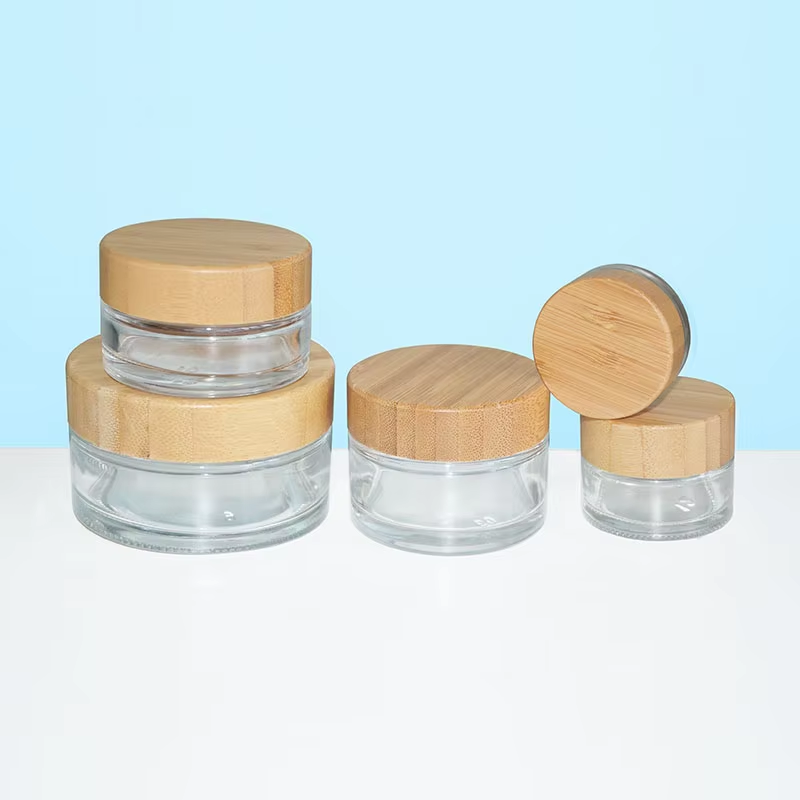
Why Material Choice Directly Impacts Sensitive Skin Product Integrity
The packaging material is not a passive container—it actively shapes the safety and stability of sensitive skin formulations. When a cream jar lacks an effective barrier, oxygen, moisture, and light can infiltrate, accelerating the degradation of delicate actives. This breakdown often produces irritating by-products that compromise the skin’s protective barrier, triggering redness, stinging, or inflammation. Common preservatives or antioxidants may degrade into sensitizers if the jar material permits even minimal chemical interaction. Manufacturers must therefore treat the cream jar as a functional component of the formula—not just a vessel. Selecting a material that prevents leaching, gas permeation, and light exposure is decisive. A poorly chosen polymer can release trace monomers or additives that provoke allergic contact dermatitis, while a well-chosen glass or medical-grade plastic preserves formulation integrity and supports skin calmness. In short, the integrity of a sensitive skin product depends on the jar’s ability to eliminate contamination pathways and maintain the original chemical equilibrium from first use to last.
Glass Cream Jars: Unmatched Barrier Protection and Chemical Inertness
Preventing degradation of sensitive actives (e.g., vitamin C, retinoids) through zero leaching and UV-blocking amber/cobalt glass
Glass is chemically inert—unlike many plastics, it does not leach compounds or absorb oils, ensuring that sensitive actives like vitamin C and retinoids remain pure and potent. Its non-porous surface enables a truly airtight seal, blocking oxygen and moisture completely—two primary drivers of active degradation. Amber and cobalt glass jars further enhance protection by blocking up to 90% of ultraviolet light, a major cause of oxidation and potency loss. This dual advantage—zero leaching and robust UV shielding—makes glass the most reliable choice for preserving high-value, sensitive-skin formulations.
Evidence-based stability: 42% less oxidation in glass vs. PET over 6 months (Cosmetic Science Journal, 2023)
A 2023 study in the Cosmetic Science Journal found that a common active ingredient suffered 42% less oxidation when stored in glass versus PET over six months. This reflects glass’s impermeability: unlike PET—which allows gradual oxygen ingress—glass maintains a stable internal environment, effectively extending shelf life for retinoids, antioxidants, and other oxidation-prone ingredients. For brands committed to product integrity and consumer safety, this evidence underscores glass as a high-performance, clinically grounded choice.
Medical-Grade Plastics: HDPE and PP Cream Jars for Balanced Safety and Functionality
Medical-grade HDPE and PP are widely used for cream jar packaging due to their chemical resistance, durability, and cost-effectiveness. Both meet FDA food-contact safety standards, minimizing leaching risks under normal use. However, their inherent permeability to oxygen—and in some cases, to lipophilic actives—introduces meaningful limitations for sensitive skincare formulations.
Low leaching risk and FDA-compliant safety—but critical limitations in oxygen and active permeability
HDPE and PP cream jars offer low leaching potential and broad compatibility with water-based and many emollient-rich bases. Their regulatory compliance and mechanical resilience make them practical for everyday cosmetics. Yet, unlike glass, their semi-crystalline structure permits measurable oxygen transmission—enough to accelerate oxidation of vitamin C, retinol, and other air-sensitive ingredients over time. To mitigate this, formulators using HDPE or PP for active-heavy creams often rely on added antioxidants or secondary barrier coatings—a necessary compromise that adds complexity and cost.
Beyond 'BPA-free': estrogenic activity findings reveal hidden compatibility risks for sensitive formulations
While “BPA-free” labeling is now standard, research shows that even BPA-free HDPE and PP can leach chemicals with estrogenic activity under realistic use conditions. A 2021 study in Environmental Health Perspectives found that certain HDPE and PP samples released estrogenic compounds when exposed to fatty or acidic simulants—conditions mimicking contact with lipid-rich creams or natural oils. For hormone-sensitive skin or long-term topical use, this reveals a hidden compatibility risk not captured by conventional safety checklists. Rigorous extractables and leachables testing—beyond basic regulatory compliance—is essential before finalizing packaging for sensitive-skin products.
Sustainable Alternatives: PCR PET and Bio-Based Cream Jars — When Trade-Offs Are Acceptable
Oxygen transmission rate (OTR) comparisons: when recycled or plant-based materials compromise sensitive-actives shelf life
For oxidation-prone actives like vitamin C and retinol, oxygen barrier performance is non-negotiable. Glass offers near-zero OTR, but sustainable alternatives introduce quantifiable trade-offs. PCR PET largely retains virgin PET’s barrier properties, though processing-induced chain scission can elevate OTR by 10–15%, according to Packaging Science International (2022). Bio-based plastics such as PLA are significantly more permeable—with OTR values 10–20 times higher than PET—making them unsuitable for long-term stabilization of serums or creams with labile actives. A 2023 accelerated stability study found that a vitamin C cream in a PLA jar lost 30% potency within 90 days, compared to just 5% in glass. For brands prioritizing sustainability, these compromises may be acceptable for short-shelf-life products—but only when paired with rigorous stability testing and transparent communication about functional trade-offs.
FAQ
Why is packaging material crucial for sensitive skin products?
Packaging material directly impacts the safety and stability of sensitive skin formulations by preventing contamination, degradation, and chemical interactions that can lead to irritation or reduced efficacy.
Why is glass considered the best option for sensitive skin formulations?
Glass is chemically inert, provides airtight seals, prevents leaching, and offers UV-blocking properties that protect sensitive actives like vitamin C and retinoids from degradation.
What limitations do HDPE and PP jars have?
HDPE and PP jars, while chemically resistant, allow measurable oxygen transmission, which can accelerate the oxidation of sensitive ingredients. They may also leach estrogenic compounds under certain conditions, posing risks for sensitive formulations.
Are sustainable materials like PCR PET and PLA suitable for sensitive skin products?
Sustainable materials often have higher oxygen transmission rates compared to glass, compromising the stability of oxidation-prone actives. They are better suited for short-shelf-life products paired with rigorous testing.
What safety tests are essential for packaging sensitive skin products?
Rigorous extractables, leachables, and stability testing are essential to ensure compatibility and minimize risks of contamination or degradation.
Table of Contents
- Why Material Choice Directly Impacts Sensitive Skin Product Integrity
- Glass Cream Jars: Unmatched Barrier Protection and Chemical Inertness
- Medical-Grade Plastics: HDPE and PP Cream Jars for Balanced Safety and Functionality
- Sustainable Alternatives: PCR PET and Bio-Based Cream Jars — When Trade-Offs Are Acceptable
-
FAQ
- Why is packaging material crucial for sensitive skin products?
- Why is glass considered the best option for sensitive skin formulations?
- What limitations do HDPE and PP jars have?
- Are sustainable materials like PCR PET and PLA suitable for sensitive skin products?
- What safety tests are essential for packaging sensitive skin products?