 EN
EN

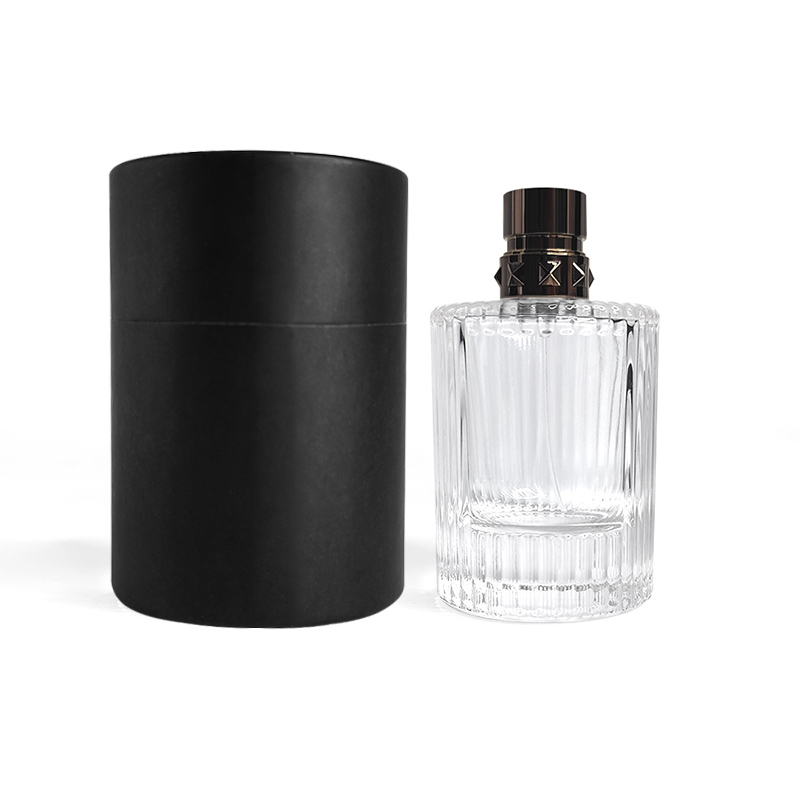
Sustainable Cosmetic Packaging: From Eco-Materials to Circular Systems
Certified compostable and bio-sourced polymers replacing conventional plastics in primary cosmetic packaging
The shift away from fossil-fuel plastics is accelerating as certified compostable and bio-sourced polymers enter mainstream cosmetic packaging. Derived from renewable feedstocks like corn starch, sugarcane, or cellulose, these materials deliver a lower carbon footprint while maintaining the barrier performance required for creams, serums, and other sensitive formulations. Polylactic acid (PLA) and polyhydroxyalkanoates (PHA) are two leading categories now certified under EN 13432—a globally recognized standard verifying industrial compostability within 180 days under controlled conditions.
A leading packaging manufacturer reduced virgin plastic use by 40% across its skincare jar line in 2023 after adopting a bio-sourced polyethylene blend. Yet real-world composting infrastructure remains limited and inconsistent, underscoring the need for clear consumer guidance. Brands increasingly pair material innovation with precise end-of-life labelling—directing users toward industrial composting where available, or recycling where appropriate—to avoid contamination and mismanagement.
Crucially, biodegradability must not compromise shelf stability: a jar must remain intact on a bathroom shelf for months yet break down efficiently in a managed facility. By deploying these polymers in primary packaging—the component that directly contacts the product—companies address single-use plastic at its source, moving beyond recycling-dependent solutions toward truly regenerative systems.
Refillable and reusable cosmetic packaging models gaining mainstream traction — adoption rates and brand case studies (2023–2024)
Refillable packaging has evolved from experimental concept to scalable commercial model, with adoption accelerating across global markets between 2023 and 2024. Under a circular economy framework, the durable outer container becomes a long-term asset—reused repeatedly—while consumers purchase only lightweight, low-footprint refills such as pouches, cartridges, or concentrates. Lifecycle assessments published in 2023 confirm that well-designed refill formats reduce total packaging weight by up to 70% versus equivalent single-use alternatives.
A major multinational beauty group rolled out in-store fragrance refill stations across 12 European countries, enabling direct bottle replenishment with zero secondary packaging. Meanwhile, a Korean skincare brand launched a tool-free magnetic refill system for moisturizers—combining precision engineering with intuitive usability. Success hinges on two interdependent factors: seamless functionality and tangible value. Consumers consistently cite convenience and a 20–30% cost saving per refill as key drivers of repeat engagement.
Aluminum and glass dominate reusable shell construction due to their durability, infinite recyclability, and premium sensory appeal. Regulatory momentum further reinforces this shift: the EU’s revised Packaging and Packaging Waste Regulation mandates binding reuse targets starting in 2025, making refill systems not just sustainable but strategically essential for market access.
Functional Cosmetic Packaging: Hygiene, Usability, and Sensory Experience
Airless dispensers and antimicrobial coatings enhancing product integrity and consumer confidence
Modern cosmetic packaging functions as an active guardian of formula integrity—not merely passive containment. Airless dispensers exemplify this evolution, using vacuum-driven piston mechanisms to dispense product without exposing the remaining formula to air or contaminants. This design prevents oxidation and microbial ingress, extending shelf life for preservative-reduced or active-ingredient-rich formulas like retinol and vitamin C serums. With near-complete evacuation—up to 97% compared to the 20–30% waste typical of dip-tube bottles—airless systems also eliminate product degradation at the container base, preserving potency and reinforcing consumer trust through visible, functional efficacy.
Complementing internal protection, antimicrobial surface coatings are redefining hygiene standards. Silver-ion and zinc-based agents are now integrated into high-touch components—including lipstick cases, compact lids, and pump actuators—where they inhibit >99.9% of common microbes, as validated by ISO 22196 testing. In a post-pandemic landscape where 63% of consumers actively seek hygiene-forward packaging features, these invisible technologies transform everyday objects into self-sanitizing touchpoints—elevating safety from an abstract promise to a measurable, tactile benefit.
| Feature | Primary Function | Impact on Consumer Confidence |
|---|---|---|
| Airless Dispenser | Prevents formula oxidation and contamination; ensures precise dosage and near-total product evacuation. | Builds trust through demonstrable preservation, zero-waste functionality, and sustained ingredient efficacy. |
| Antimicrobial Coating | Inhibits microbe growth on the package’s exterior surface during handling and storage. | Delivers tangible peace of mind by addressing hygiene at the point of contact—turning routine use into a safer ritual. |
Ergonomic, one-handed, and tactile designs improving daily usability across skincare and makeup categories
Functionality is no longer defined solely by utility—it’s shaped by how a package feels, fits, and flows within daily life. Ergonomic design prioritizes intuitive interaction across diverse user needs: a skincare jar with a softly contoured, non-slip base offers secure grip for users with limited dexterity; a lipstick tube with magnetic closure enables effortless, one-handed operation. These refinements reflect a strategic understanding that ease of use directly signals product quality—and that perceived sophistication is often rooted in physical comfort.
This ergonomic foundation supports a broader sensory strategy, where texture, weight, and operational feedback become silent brand ambassadors. The heft of a thick-walled glass serum bottle, the calibrated resistance of a precision pump, or the velvety tactility of a matte-coated compact all communicate care, craftsmanship, and intentionality before the product is even applied. Research published in 2023 on multisensory processing found that packaging texture and mechanical feel influence 73% of consumers’ initial quality judgments—demonstrating that usability and aesthetics are inseparable in shaping perception.
Ultimately, the goal is experiential alignment: a package that doesn’t interrupt routine but enhances it—transforming skincare application or makeup use from functional task into a quiet, confident ritual.
Aesthetic and Inclusive Cosmetic Packaging: Luxury, Personalisation, and Representation
Cosmetic packaging is now a primary vessel for brand identity—merging sensory luxury with intentional inclusivity. Luxury is expressed not through ornamentation alone, but through refined materiality: heavyweight glass with subtle weight distribution, soft-touch matte coatings engineered for finger glide, and precision metallic foiling that catches light without glare. These choices cultivate emotional resonance, turning daily use into a moment of understated indulgence.
Personalisation deepens connection: limited-edition embossed motifs, customisable colour palettes, and on-demand printed names or messages allow consumers to co-create meaning with the brand. This individual expression extends to representation—foundation bottles featuring cap colours calibrated across Fitzpatrick skin tone ranges, compacts with raised tactile indicators for the visually impaired, and universally designed closures that require minimal force or fine motor control.
Inclusive features—ergonomic grips, easy-open mechanisms, and Braille labelling—are no longer optional add-ons but foundational requirements for responsible brand stewardship. When aesthetic excellence and universal accessibility coexist, packaging transcends utility: it affirms identity, invites participation, and signals that every user belongs.
Smart Cosmetic Packaging: NFC, AR, and Data-Driven Consumer Engagement
Beyond QR codes: NFC authentication, AR virtual try-ons, and usage analytics transforming brand-customer interaction
Smart packaging has matured beyond static scannable codes into embedded, intuitive interfaces. Near-field communication (NFC) chips—integrated invisibly into labels or closures—enable instant smartphone verification of authenticity, batch-specific ingredient sourcing, and even sustainability credentials—all with a single tap, eliminating visual clutter and friction.
Augmented reality (AR) bridges digital and physical experience: scanning a lipstick box overlays the exact shade onto the user’s lips in real time via their phone camera, reducing purchase hesitation and return rates. Behind the scenes, each interaction feeds anonymised usage analytics—revealing patterns in application timing, regional engagement, and feature uptake. Brands leverage these insights to refine loyalty rewards, personalise follow-up content, and adapt product development to real-world behaviour.
By transforming packaging into an interactive, data-informed platform, brands extend value far beyond unboxing—building ongoing trust, relevance, and responsiveness in an increasingly discerning market.
FAQ
What materials are used in sustainable cosmetic packaging?
Certified compostable and bio-sourced polymers like PLA and PHA, derived from renewable feedstocks such as corn starch, sugarcane, and cellulose, are commonly used.
What are the environmental benefits of refillable cosmetic packaging?
Refillable packaging reduces total material waste by up to 70%, minimizes packaging footprint, and supports circular economy practices.
How do airless dispensers improve product integrity?
Airless dispensers prevent oxidation and microbial contamination, extend shelf life, and ensure near-complete product evacuation.
What role does ergonomic design play in cosmetic packaging?
Ergonomic designs enhance usability, provide physical comfort, and improve routine functionality by catering to diverse user needs.
How can smart packaging technologies benefit brands and consumers?
Smart technologies like NFC and AR enable authentication, interactive virtual experiences, and data-driven personalization to enhance brand-consumer engagement.
Table of Contents
- Sustainable Cosmetic Packaging: From Eco-Materials to Circular Systems
- Functional Cosmetic Packaging: Hygiene, Usability, and Sensory Experience
- Aesthetic and Inclusive Cosmetic Packaging: Luxury, Personalisation, and Representation
- Smart Cosmetic Packaging: NFC, AR, and Data-Driven Consumer Engagement
-
FAQ
- What materials are used in sustainable cosmetic packaging?
- What are the environmental benefits of refillable cosmetic packaging?
- How do airless dispensers improve product integrity?
- What role does ergonomic design play in cosmetic packaging?
- How can smart packaging technologies benefit brands and consumers?