 EN
EN

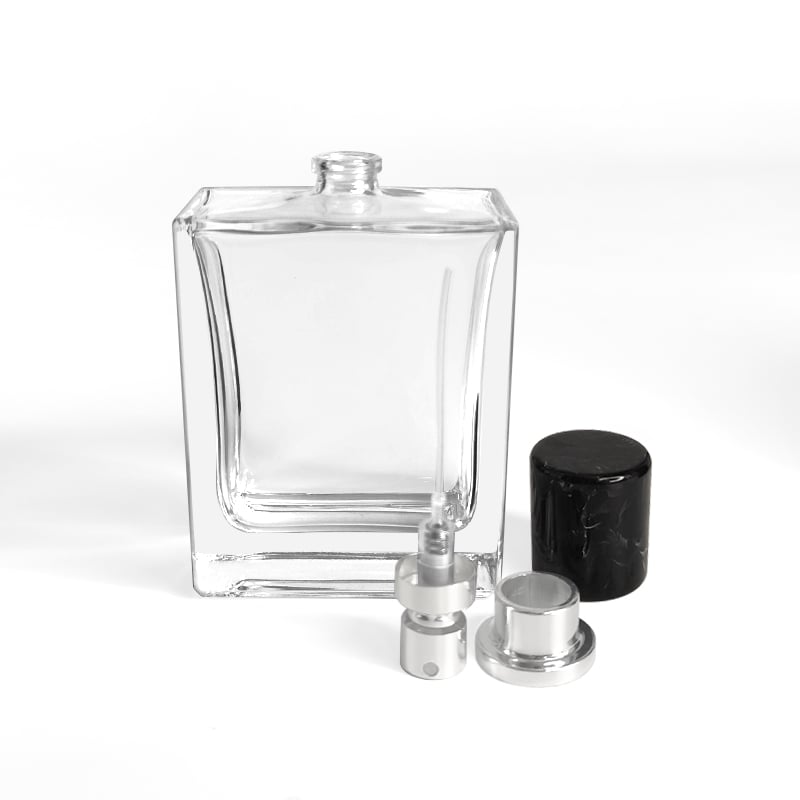
Extended Shelf Life Through Superior Oxygen and Moisture Barrier Protection
How airtight sealing prevents oxidation, hydrolysis, and microbial spoilage
Oxygen and moisture are the two primary drivers of cosmetic degradation. Exposure to air triggers oxidation of unsaturated oils and sensitive actives—like retinol and vitamin C—leading to rancidity, off-odors, and diminished efficacy. Simultaneously, ambient humidity promotes hydrolysis, breaking down ester-based emollients and emulsifiers and destabilizing emulsion structure. Both processes also foster growth of aerobic bacteria, yeast, and mold. Airtight cosmetic containers mitigate these risks through precision-engineered seals and high-barrier materials that drastically reduce oxygen transmission (OTR) and water vapor transmission (WVTR). By physically isolating the product from the external atmosphere, they halt the cascade of chemical and microbial spoilage. For example, multi-layer jar walls and high-barrier liners in caps can achieve OTR values below 0.1 cc/m²/day—effectively eliminating oxidative pathways. This hermetic protection ensures formulation integrity from fill to final use.
Real-world data: shelf life gains of 3–6 months for serums and emulsions in airtight vs. conventional cosmetic container formats
Stability testing under accelerated conditions (40°C/75% RH) confirms the tangible impact of airtight packaging. A 2023 comparative study by the Packaging Science Institute found that serums in airtight containers maintained stability 3–6 months longer than those in traditional screw-cap jars. Key metrics—including peroxide value, active ingredient concentration, and microbial counts—showed marked improvement. Vitamin C serums retained 92% of ascorbic acid after 12 months in airtight systems, versus just 65% in conventional jars. Similarly, oil-in-water emulsions remained phase-stable for 18 months with airless pumps, compared to 12 months in standard jars. These extensions translate directly into reduced waste, fewer returns, and stronger consumer trust—ensuring consistent performance from first application to last.
Enhanced Microbiological Safety and Reduced Preservative Dependency
Airtight cosmetic container design as a primary defense against airborne contaminants and user-introduced microbes
Airtight containers serve as a physical barrier against airborne bacteria, mold spores, and yeast—unlike open jars, which expose formulations to room air with every use. Airless pumps and vacuum-sealed systems maintain a closed environment throughout the product’s lifecycle. They also minimize user-introduced contamination: repeated finger contact with jar surfaces inoculates creams with skin flora. Simulated-use testing shows airless packaging reduces aerobic bacterial introduction by up to 99% (International Journal of Cosmetic Science, 2022). By excluding oxygen and limiting moisture ingress, these systems suppress the conditions required for microbial proliferation—enhancing safety without relying solely on preservatives.
Clinical and regulatory impact: lower preservative concentrations without compromising EU CPNP or FDA compliance
Regulatory frameworks—including the EU Cosmetic Product Notification Portal (CPNP) and FDA guidelines—require products to pass rigorous preservative efficacy testing (e.g., ISO 11930). Airtight packaging lowers initial bioburden and slows microbial growth, enabling formulators to reduce preservative load by 30–50% while remaining fully compliant. A 2021 challenge test demonstrated that a facial serum in an airless pump passed ISO 11930 at half its typical preservative concentration—whereas the identical formula in a jar failed. This reduction supports clean beauty goals, decreases potential for skin irritation, and maintains full regulatory alignment—offering brands a scientifically grounded path to safer, more sustainable preservation.
Preservation of Sensory and Active Ingredient Efficacy
Retention of volatile actives and fragrance notes: GC-MS evidence from stability trials
Volatile organic compounds—including essential oils and delicate fragrance top notes—are highly vulnerable to oxidative degradation, hydrolysis, and evaporation when exposed to air and humidity. Airtight containers prevent this loss via hermetic sealing that blocks both oxygen and moisture ingress. Gas chromatography–mass spectrometry (GC-MS) stability trials confirm superior retention of volatile profiles: citrus-derived top notes, for instance, decay significantly slower than in conventional jars. The barrier mechanism preserves aromatic complexity and prevents the flatness or off-odors associated with spoilage—extending not only sensory fidelity but also functional potency of volatile actives over time.
Consumer perception alignment: freshness, potency, and consistency directly tied to airtight cosmetic container performance
Consumers assess product quality through immediate sensory cues—scent, texture, and perceived effectiveness. Subtle shifts in fragrance or viscosity, often caused by oxidation, can quickly erode confidence. Airtight packaging safeguards these attributes, preserving the fresh, vibrant character of formulations across their entire lifespan. When a face oil retains its bright, natural aroma after months of use, users interpret it as uncompromised quality and brand reliability. This consistency reinforces trust, reduces complaints about spoilage, and elevates perceived prestige and efficacy—turning every application into a reaffirmation of brand integrity and driving long-term loyalty.
Leak-Proof Performance and Material Science Advantages
Leak-proof performance is essential to product integrity, user experience, and brand reputation. Modern airtight cosmetic containers leverage advanced polymer science and precision engineering—combining chemically resistant elastomeric gaskets with tightly toleranced closures. Silicone gaskets, for example, retain flexibility and seal integrity across thousands of open-close cycles while resisting degradation from essential oils, acids, and alcohols. Polypropylene (PP) and PET containers feature micro-precision threads and snap-fit mechanisms that enhance containment reliability. Independent durability testing shows top-tier designs achieve leak rates under 0.1 mL/hour—even after 10,000 cycles (2024 Packaging Materials Benchmark). By integrating food-grade silicone, double-seal architectures, and robust material selection, manufacturers deliver packaging that performs flawlessly in travel, daily use, and extended storage—reinforcing consumer confidence and brand credibility.
FAQ
Why is airtight packaging important for cosmetics?
Airtight packaging prevents oxidation, hydrolysis, and microbial spoilage, preserving product efficacy and sensory attributes over time.
How does airtight packaging extend shelf life?
By reducing oxygen and moisture transmission, airtight containers minimize degradation pathways, maintaining stability for up to 6 months longer than conventional packaging.
Can airtight packaging reduce the need for preservatives?
Yes, airtight containers lower microbial contamination, enabling formulators to use 30–50% fewer preservatives while remaining compliant with regulatory standards.
Does airtight packaging help preserve fragrance and active ingredients?
Yes, hermetic sealing prevents volatile compounds from degrading, ensuring freshness and potency over the product's life cycle.
Are airtight cosmetic containers leak-proof?
Modern airtight containers integrate advanced materials and precision engineering, achieving industry-leading leak resistance for extended durability.