 EN

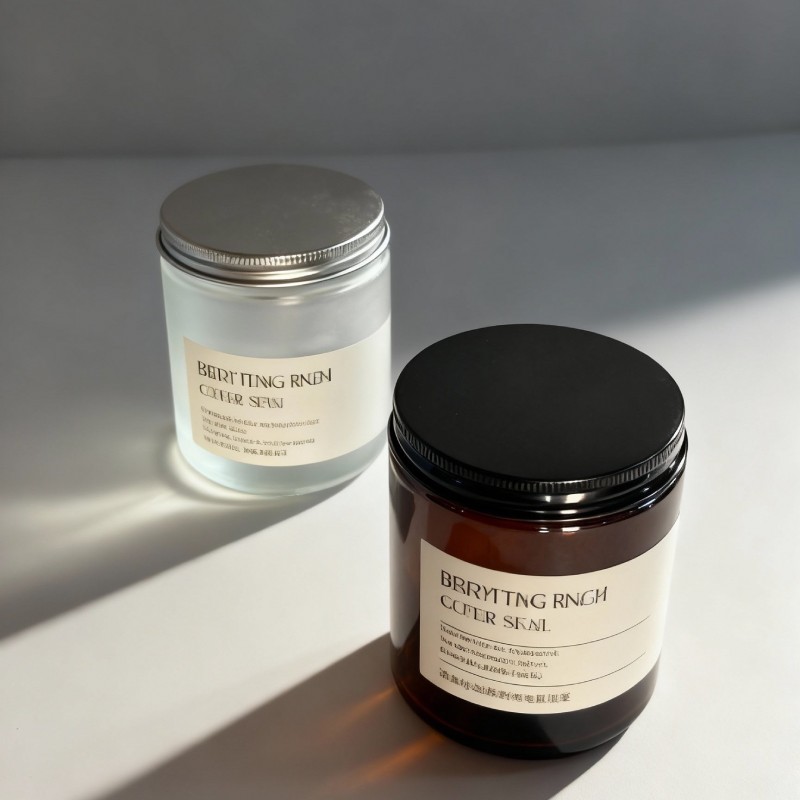
Protective Performance: Ensuring Product Integrity and Stability
Barrier Efficacy Against Light, Oxygen, and Microbial Intrusion
The protective function of cosmetic packaging is essential to preserving formulation integrity from production through consumer use. Sensitive ingredients—such as retinol, vitamin C, and botanical extracts—degrade rapidly when exposed to light, oxygen, or microbes. Opaque airless pumps reduce light penetration by over 99%, effectively preventing photooxidation in retinol serums (Packaging Science Journal 2024). Laminated tubes with high-performance oxygen barrier films lower oxygen transmission rates to under 0.1 cc/m²/day, significantly delaying rancidity in oil-based balms. UV-absorbing coatings on glass bottles filter out 97% of harmful UV-A rays (Glass Packaging Institute 2023), while tamper-evident seals and antimicrobial liners create a hostile environment for pathogens. A 2023 analysis by the International Journal of Cosmetic Science found that compromised seals contributed to 22% of cosmetic recalls—and FDA compliance data confirms hermetic packaging reduces surface bacteria by 99.9% after 28 days. This integrated defense safeguards both product efficacy and consumer trust.
Shelf-Life Extension Through Material-Driven Stability Control
Material selection directly governs shelf life by controlling moisture ingress, gas exchange, and chemical interaction. Airless dispensing systems eliminate headspace oxygen entirely, maintaining a 0% daily oxidation rate over 12 months (Package Engineering Report 2022). For hydrolysis-prone formulations, low Water Vapor Transmission Rate (WVTR) materials are critical: aluminum barrier laminates achieve WVTR as low as 0.01 g/m²/day—over 200× tighter than standard PET (2–3 g/m²/day). In comparative stability testing, moisturizers in EVOH-laminated tubes retained 95% of active ingredient potency after 12 months, versus just 70% in mono-layer PP jars (Cosmetic Stability Testing 2023). Desiccant-integrated stoppers in powder packaging maintain internal relative humidity below 10%, preventing clumping and degradation. These material-driven controls ensure consistent performance at point-of-use—reducing waste and enhancing user satisfaction. Critically, extending shelf life also supports sustainability: a 2023 lifecycle analysis linked a 30% shelf-life increase to up to 15% lower product discards and associated CO₂ emissions. As a regulatory benchmark, the European Cosmetics Regulation (EC 1223/2009) mandates accelerated aging tests at 40°C and 75% RH—packaging built with high-barrier composites consistently passes without reformulation.
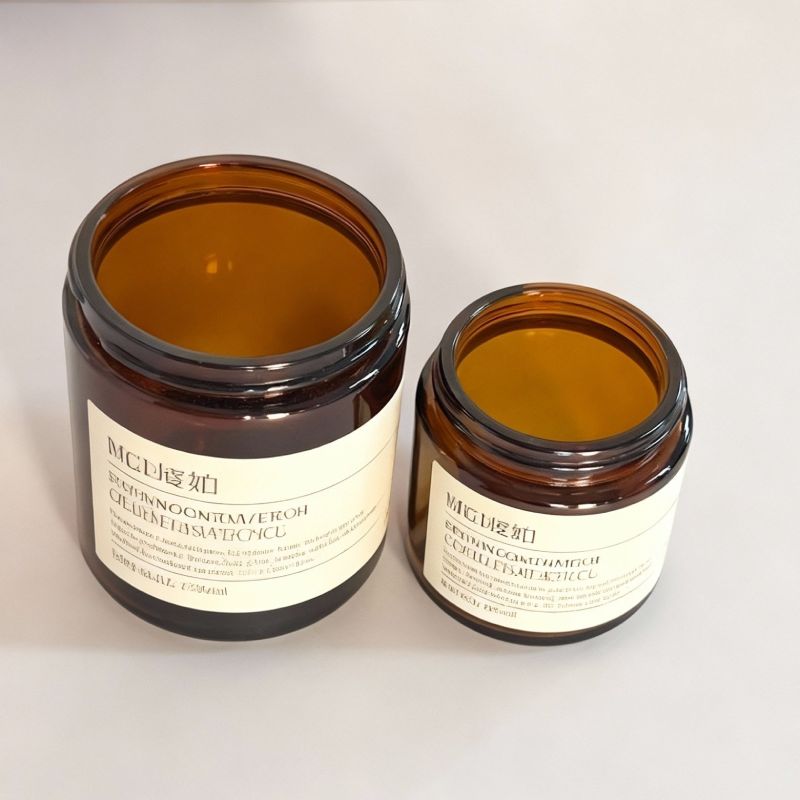
User-Centric Design: Ergonomics, Dispensing Precision, and Daily Usability
Intuitive Interaction and Grip Optimization in Cosmetic Packaging
Cosmetic packaging must align with natural human movement—not fight against it. Slipping bottles, stiff caps, or awkward actuation frustrate users and quietly undermine brand loyalty. Ergonomic design addresses this through contoured profiles, strategically textured surfaces, and pressure-distributing shapes that reduce finger fatigue during daily use. For serum droppers, a slim neck enables precise pinch control, while a wider base ensures stability during one-handed application. Similarly, hand creams and treatment pumps benefit from low-actuation-force mechanisms—research shows actuators requiring less than 2.5 pounds of force markedly improve comfort, especially for older adults. These evidence-informed refinements transform functional containers into intuitive extensions of self-care rituals, reinforcing emotional connection and perceived brand quality.
Pump, Dropper, and Airless System Performance for Controlled Delivery
Dispensing precision impacts both product integrity and user experience. A mis-calibrated pump can waste up to 30% more serum per use; by contrast, precision-engineered pumps deliver a consistent 0.5 ml per stroke—supporting dosage accuracy and value perception. Airless systems go further: using a piston-driven vacuum, they expel product without exposing the remainder to air—critical for oxidation-sensitive actives like vitamin C. Dropper tops offer fine control for low-viscosity oils but require thoughtful angling to prevent drips. For creams, narrow-nozzle pumps suit facial moisturizers, while wide-mouth variants accommodate thicker body butters. The right mechanism minimizes contamination, maximizes yield, and eliminates guesswork. When users receive the exact amount needed—every time—it signals reliability, reinforces product efficacy, and simplifies daily routines.
Material and Structural Intelligence: Balancing Function, Compliance, and Sustainability
PET, HDPE, Glass, and Emerging Bio-Based Materials in Cosmetic Packaging
Material choice forms the foundation of intelligent packaging—balancing protection, aesthetics, and responsibility. Polyethylene terephthalate (PET) delivers exceptional clarity and shatter resistance, making it ideal for premium serums and toners where visual appeal builds trust. High-density polyethylene (HDPE) offers superior chemical resistance and moisture barrier properties—commonly used for squeezable shampoo and lotion bottles. Glass remains the gold standard for high-end fragrances and sensitive formulations due to its impermeability and zero risk of leaching. Increasingly, brands are adopting bio-based alternatives such as polylactic acid (PLA) derived from corn starch or sugarcane. These renewable materials match traditional plastics in clarity and processability while reducing fossil fuel dependence and carbon footprint. Success hinges on balancing mechanical strength, compatibility with alcohol- or oil-based formulas, and end-of-life recyclability. True material intelligence evaluates not only immediate barrier needs—but how each substrate reflects long-term brand values around safety, performance, and environmental stewardship.
Regulatory Alignment (FDA, EU Cosmetics Regulation) and Functional Implications
High-performing packaging must meet rigorous regulatory standards governing material safety and product interaction. In the U.S., the FDA requires packaging materials to be inert and non-adulterating—mandating documented evidence of migration limits and extractables for all components contacting the product. The EU’s Cosmetics Regulation (EC 1223/2009) takes a more holistic view, explicitly treating packaging as part of the product’s safety assessment—including metal springs in pumps or inner lacquers in aluminum tubes. These requirements directly inform functional decisions: airless dispensers reduce preservative load by limiting microbial exposure; glass eliminates interaction concerns entirely; and multilayer laminates combine barrier layers to prevent oxygen ingress—all while supporting compliance through certified material data and extractables studies. Regulatory foresight thus becomes a catalyst for innovation—transforming compliance from a constraint into a driver of superior stability, safety, and user confidence.
FAQ
Why is packaging protection critical for cosmetic products?
Cosmetic packaging protects sensitive ingredients like retinol and vitamin C from degradation caused by light, oxygen, and microbes. It ensures product integrity and extends shelf life.
How does packaging improve shelf life?
Packaging materials control moisture ingress, gas exchange, and chemical interaction, maintaining product stability and reducing waste while supporting sustainability.
What are the key considerations for ergonomic cosmetic packaging?
Ergonomic design focuses on intuitive interaction, grip optimization, and ease of use through features like contoured profiles, textured surfaces, and low-force actuators.
How do pumps and airless systems enhance precision?
Precision-engineered pumps and airless systems provide controlled product dispensing, minimizing wastage, contamination, and oxidation for sensitive ingredients.
What materials are commonly used in cosmetic packaging?
Common materials include PET, HDPE, glass, and emerging bio-based options like PLA, balancing protection, aesthetics, and sustainability.
How does cosmetic packaging comply with regulations?
Packaging complies with regulations by meeting material safety standards, reducing microbial exposure, and adhering to requirements like migration limits and extractables testing.
Table of Contents
- Protective Performance: Ensuring Product Integrity and Stability
- User-Centric Design: Ergonomics, Dispensing Precision, and Daily Usability
- Material and Structural Intelligence: Balancing Function, Compliance, and Sustainability
-
FAQ
- Why is packaging protection critical for cosmetic products?
- How does packaging improve shelf life?
- What are the key considerations for ergonomic cosmetic packaging?
- How do pumps and airless systems enhance precision?
- What materials are commonly used in cosmetic packaging?
- How does cosmetic packaging comply with regulations?