 EN

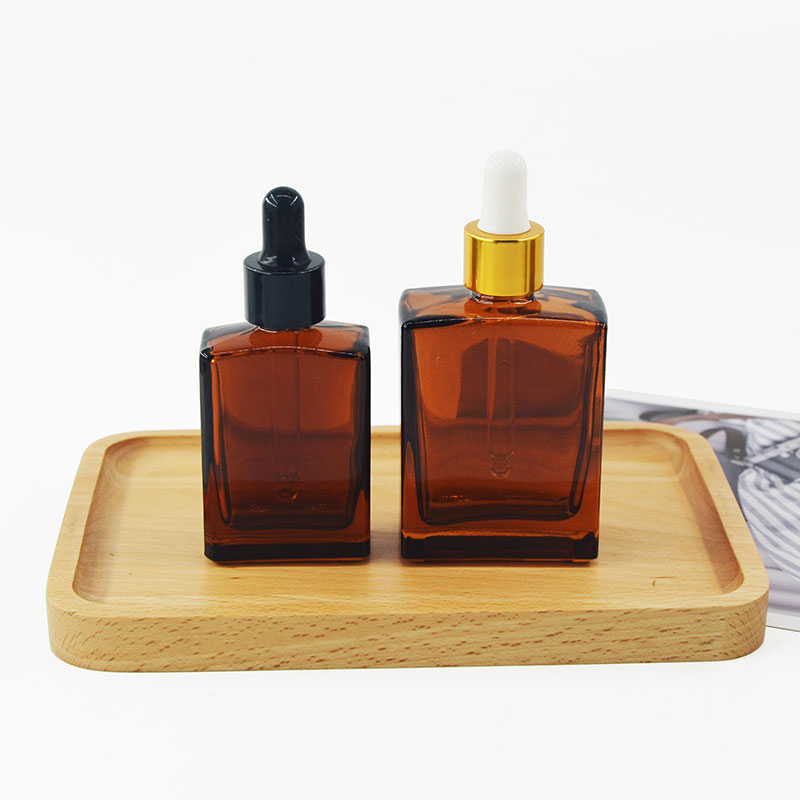
Why Dropper Bottle Accuracy Matters in Precision Applications
In precision applications—from pharmaceutical dosing to high-end skincare serums—a dropper bottle is far more than a container: it’s a critical metering instrument. Inconsistent drop volume can narrow or exceed a medication’s therapeutic window, risking patient safety through under- or overdosing. In cosmetics, where actives are both potent and costly, just one extra drop per use can waste hundreds of dollars annually. This variability stems from the interplay of liquid viscosity, pipette geometry, and operator technique—even minor manufacturing tolerances can cause significant deviation. Facilities handling high-value liquids therefore prioritize dropper designs validated for their specific formulation, ensuring each squeeze delivers a repeatable volume. When users are trained to maintain consistent angle and pressure, they gain reliable control that reduces waste, preserves ingredient integrity, and sharpens overall efficacy. Dropper bottle accuracy isn’t an afterthought—it’s a foundational element of quality control, transforming packaging into a safeguard for safety, economy, and performance.
Understanding the Science Behind Dropper Bottle Drop Volume
How surface tension, nozzle diameter, and liquid viscosity affect drop formation
Drop formation is governed by surface tension, gravity, and nozzle geometry. Surface tension holds the liquid at the tip; detachment occurs only when the drop’s weight overcomes this cohesive force. Per Tate’s law, a larger nozzle diameter weakens capillary hold, yielding heavier, larger drops. Viscosity adds resistance: high-viscosity liquids (e.g., glycerin) form elongated threads that snap unpredictably, while low-viscosity fluids (e.g., water) break cleanly. A 0.2 mm variation in orifice width can shift drop volume by over 25%—a finding supported by ISO 787 and ISO 1628 fluid mechanics standards. For this reason, pharmaceutical and cosmetic manufacturers rely on precision-engineered dropper tips to ensure dose-to-dose consistency, as outlined in the United States Pharmacopeia’s (USP) guidance on liquid dosage uniformity.
The myth of “20 drops per mL” — why standardized assumptions fail across dropper bottle types
The widely repeated “20 drops = 1 mL” rule originates from water-based calibration using a standard glass dropper at 20 °C—conditions rarely mirrored in practice. A 1.0 mm orifice dispensing a low-viscosity serum may yield 50–60 drops/mL, whereas the same bottle filled with a viscous oil may deliver only 15–20 drops/mL. Nozzle design, tip angle, and liquid density all shift the drop-per-milliliter ratio. USP chapter <1136> explicitly states that “drop size is not a reliable volume measure” unless the dropper and formulation are calibrated as an integrated system. Relying on the 20-drop assumption without validation risks dosing errors of 40–300%—a serious concern in pediatric medicines or high-potency veterinary compounds. Every dropper bottle setup requires its own drop-volume validation.
Mastering Dropper Bottle Technique for Consistent Dosage
Mastering physical technique is the most critical factor for accurate dosing—even with a perfectly calibrated pipette, user error can cause 25–50% variance in dispensed volume. Standardizing method removes this variable and ensures reliability.
Step-by-step method: Drawing, holding, and dispensing with optimal angle and pressure
A controlled, repeatable three-phase process forms the foundation of precise dropper bottle use:
Drawing the Liquid: Fully submerge the pipette tip. Squeeze and release the bulb slowly and completely. Rapid release prevents full vacuum fill—especially with viscous liquids—and introduces air bubbles that displace volume and compromise dose accuracy.
Holding for Consistency: Hold the dropper vertically, tip pointing straight down. To dispense one drop, apply slow, steady pressure to the bulb—allowing the drop to form and detach under its own weight. Avoid sharp squeezes that force out unpredictable streams.
Dispensing with Control: Deliver the drop into the receiving vessel without letting the tip contact liquid or container walls. Touching triggers wicking, drawing out excess liquid and altering the intended dose. For full emptying, gently touch the tip to the inner wall of the container to drain residual film.
Vertical vs. angled dispensing: Evidence-based guidance for repeatable dropper bottle use
Vertical orientation is the only position proven to yield consistent drop size. Fluid dynamics research confirms that gravity must act directly downward on the forming drop for predictable detachment. Tilting the bottle—even by 30 degrees—distorts the meniscus at the orifice, altering the balance between surface tension and gravitational force and causing premature, lighter, and less reproducible drops. All precision dispensing protocols for calibrated glass pipettes require vertical positioning to harness gravity’s full effect on uniform drop formation.
Avoiding Common Dropper Bottle Dosing Errors
Even experienced users can undermine dosage accuracy through easily overlooked technique errors. Air bubbles, over-squeezing, and inconsistent tilt each introduce significant variability—and left uncorrected, these errors compound across doses, compromising product safety or efficacy.
Air bubbles, over-squeezing, and inconsistent tilt — how they compromise accuracy and how to eliminate them
Air bubbles reduce drawn volume, leading to under-dosing. Prevent them by fully submerging the tip and priming the system: gently pump the bulb twice before the final draw to expel residual air. Over-squeezing forces liquid out too quickly, producing oversized drops or streams—apply slow, controlled pressure instead. Inconsistent tilt disrupts the fluid mechanics at the nozzle, changing drop size unpredictably. Always hold the dropper vertically, with the tip perpendicular to the target surface. Also avoid touching the pipette tip to skin or surfaces; contamination alters surface tension and breaks drop consistency. Practicing these corrections consistently delivers reliable, repeatable dosing.
FAQ
Why is dropper bottle accuracy important?
Dropper bottle accuracy is vital because even minor inconsistencies can lead to significant errors in dosage, risking safety and increasing waste, especially in precision applications like pharmaceuticals and cosmetics.
What factors affect the drop volume in a dropper bottle?
Key factors include liquid viscosity, nozzle diameter, surface tension, and the technique used to draw and dispense the liquid.
Why isn’t the “20 drops per mL” rule reliable?
The “20 drops = 1 mL” rule is based on water-based calibration under ideal conditions, which rarely match real-world scenarios, leading to errors in drop measurement.
How can I ensure consistent dosage when using a dropper bottle?
To ensure accuracy, always hold the dropper vertically, use a slow and controlled squeezing technique, avoid air bubbles, and ensure the tip doesn’t contact other surfaces.
What are some common errors that affect dropper accuracy, and how can I avoid them?
Common errors include introducing air bubbles, inconsistent tilting of the dropper, over-squeezing, or letting the tip touch other surfaces. Use proper technique and avoid these errors to ensure accuracy.