 EN

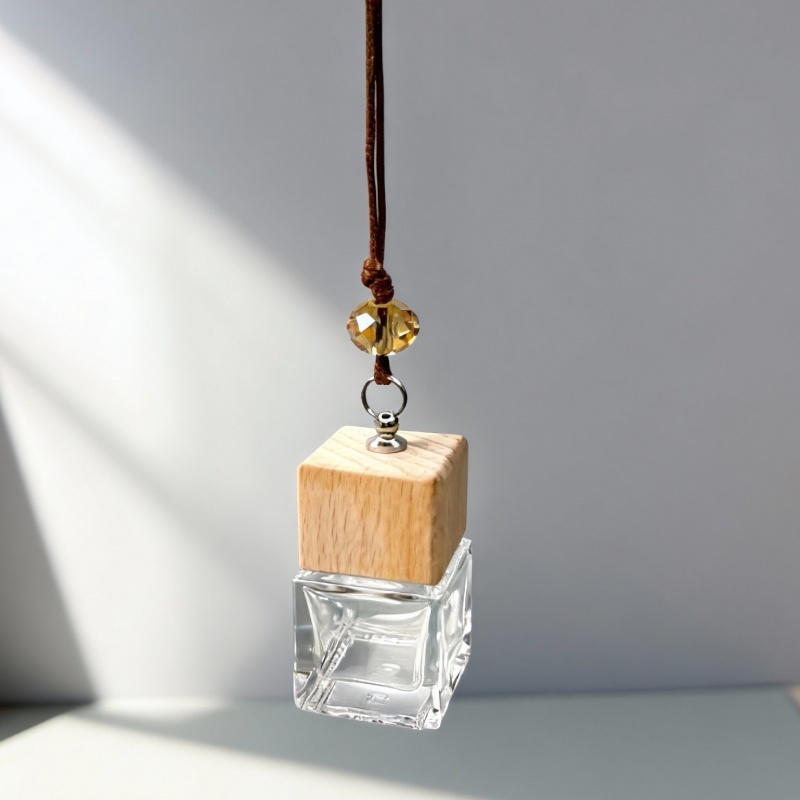
Why Glass Is the Only Universally Compatible Diffuser Bottle Material
A diffuser bottle must withstand constant, direct contact with concentrated essential oils—often for weeks or months—without degrading or altering the oil’s composition. Glass is the only material that meets this high bar, thanks to its inherent chemical inertness and robust thermal and structural stability.
Chemical Inertness: How Glass Prevents Reaction with Citrus, Phenol, and Terpene-Rich Oils
Glass is chemically inert, meaning it does not interact with the volatile compounds found in essential oils. This property is critical when handling aggressive oil families: citrus oils (loaded with limonene), phenol‑rich oils like oregano or clove (high in carvacrol and eugenol), and terpene‑dominant oils such as pine or frankincense. In plastic diffuser bottles, these compounds easily penetrate polymer chains, causing swelling, leaching of plasticizers, and even macroscopic cracking. Standard PET or polypropylene containers can soften and lose structural integrity within days when filled with undiluted lemon or tea tree oil. Glass—especially borosilicate—maintains a perfect barrier. Independent analysis consistently shows zero migration of container material into the oil, even after months of storage at room temperature. This inertness preserves the purity, aroma, and therapeutic efficacy of every blend, and eliminates the risk of hazardous chemical by‑products that form when reactive oils attack plastic. For users who customize blends or use high‑phenol “hot” oils, a glass diffuser bottle is the only safe, non‑negotiable choice.
Thermal and Structural Stability: Withstanding Ultrasonic Vibration and Oil Volatility Without Degradation
Ultrasonic diffusers operate by vibrating a small plate millions of times per second, transmitting energy through the diffuser bottle and the oil. This continuous, high‑frequency stress can fatigue materials over time. Plastic bottles often develop micro‑cracks that lead to leaks and contamination, while metal containers may corrode or impart a metallic taste to the mist. Borosilicate glass excels in this environment: it remains dimensionally stable under the mild heat generated by the device and the temperature swings caused by oil evaporation and refilling. A durability study published in the International Journal of Packaging Technology (2021) showed that borosilicate glass diffuser bottles retained full structural integrity after 10,000 hours of continuous ultrasonic operation, whereas equivalent plastic units exhibited surface pitting and measurable wall thinning. Beyond vibration resistance, glass’s non‑porous, non‑absorbent surface ensures no volatile oil residues linger after cleaning—preventing cross‑contamination between different oils. It also inhibits microbial growth, a key factor when water and essential oils mix in the diffuser. For users who expect consistent mist output and long‑term oil purity across hundreds of cycles, glass is the only material that does not degrade, warp, or react—making it the definitive universal solution.
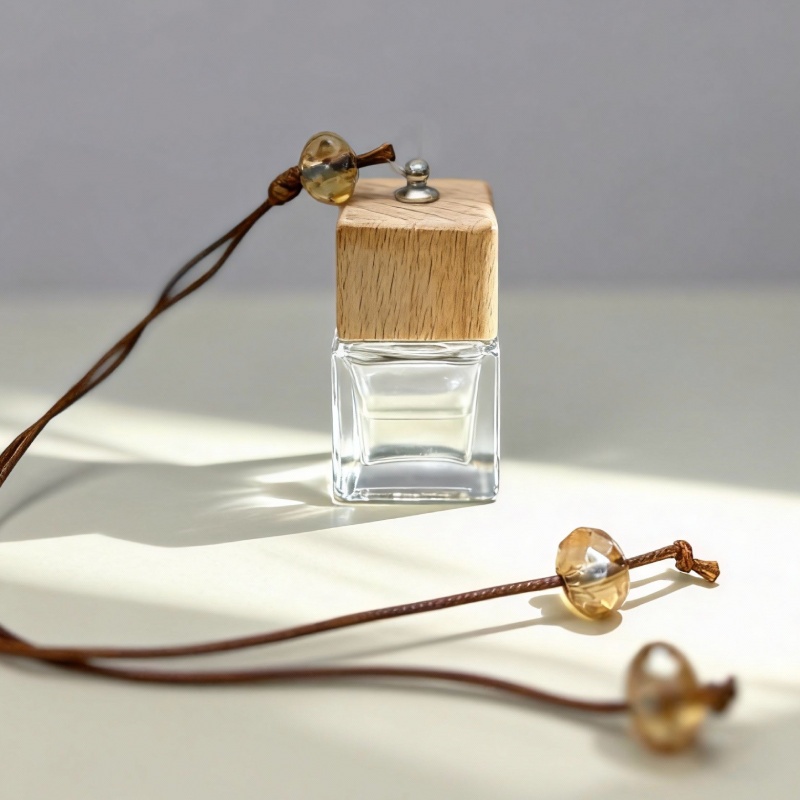
Plastic Diffuser Bottles: Compatibility Risks and Long‑Term Safety Concerns
Leaching and Swelling in PET, PP, and ABS When Exposed to Common Essential Oils
Plastic diffuser bottles made from PET, PP, or ABS are vulnerable to chemical interactions that compromise both the oil and the container. Essential oils are potent solvents; they can extract plasticizers, stabilizers, and monomer residues from the polymer matrix. Leaching not only contaminates the aromatic profile but also degrades therapeutic constituents—particularly with citrus, pine, or phenol‑rich oils like lemon, tea tree, and clove. Exposure to limonene—a common monoterpene—swells PET by 3–8% within days, while ABS and PP soften and lose structural integrity. Over repeated cycles, microscopic stress cracks appear, creating pathways for oxygen and moisture ingress that accelerate oil oxidation. Even food‑grade plastics are not tested for prolonged contact with undiluted essential oils, and regulators flag the long‑term risk of micro‑plastic particle release. For any diffuser bottle intended to hold pure or blended oils, choosing a material that does not react chemically is not optional—it is the primary safety gatekeeper against hidden toxicity and fragrance decay.
Metal Diffuser Bottles: Reactivity, Oxidation, and Compromised Oil Integrity
Aluminum and Stainless Steel Interactions with Acidic or Oxygen-Sensitive Oils (e.g., Lemon, Tea Tree, Frankincense)
Aluminum and stainless steel diffuser bottles may appear durable, but they pose chemical risks. Acidic essential oils like lemon and tea tree can corrode aluminum, causing metal ions to leach into the oil. Stainless steel resists corrosion but can still react after prolonged contact, altering aroma and clarity. Oxygen‑sensitive oils such as frankincense are prone to catalytic oxidation on metal surfaces, which speeds rancidity and reduces therapeutic potency. Even anodized or coated aluminum may degrade with continuous use, compromising oil purity. For long‑term diffusion without contamination, inert materials like borosilicate glass are a safer choice.
Selecting the Right Diffuser Bottle: Material Guidelines by Diffuser Type and Oil Profile
Ultrasonic vs. Reed vs. Nebulizing Diffusers: Matching Bottle Material to Function and Compatibility Standards
The diffuser bottle material must align with the operational demands of the device. Ultrasonic diffusers shake the oil-water mixture at high frequencies, creating thermal and vibration stress. Borosilicate glass resists these forces without cracking or leaching, making it the standard for long-duration use. Plastic bottles—even those made of polypropylene—may swell or release contaminants under continuous ultrasonic energy, especially when exposed to terpene-rich oils. For reed diffusers, the bottle serves as a static reservoir, but glass still outperforms ceramic or coated metals because it is fully inert—preventing oxidation and preserving the oil’s aromatic profile. Nebulizing diffusers present the toughest challenge: they atomize pure essential oil under pressure, often concentrating aggressive solvents. Only thick-walled, certified borosilicate glass can endure these concentrated bursts without etching, maintaining a reliable diffuser bottle that protects oil integrity over months of use.
Practical Checklist: Identifying Certified Borosilicate Glass Diffuser Bottles (ASTM F2798 & USP <661>)
To confirm you are getting a high-quality diffuser bottle, verify these points:
- Ask the supplier for explicit compliance with ASTM F2798, the standard test method for borosilicate glass used in laboratory and consumer applications.
- Check for USP <661> testing results, which evaluate leachable substances to guarantee no harmful chemicals migrate into the oil.
- Inspect the bottle’s labeling or product description for “borosilicate glass” and a stated wall thickness (minimum 2 mm for nebulizing bottles).
- If possible, request a certificate of analysis that confirms thermal expansion coefficient (CTE) within the borosilicate range (3.3–5.0 × 10⁻⁶/°C).
- Avoid any bottle that only says “glass” without the borosilicate designation, as soda-lime alternatives can crack under temperature swings and acidic oil exposure.
FAQs
Why is glass considered the best material for diffuser bottles?
Glass, particularly borosilicate glass, is chemically inert, does not react with essential oils, and offers excellent thermal and structural stability, ensuring long-term usage without degradation or contamination.
Are plastic diffuser bottles safe to use?
Plastic diffuser bottles often interact with essential oils, leading to leaching of contaminants, swelling, and reduced oil purity. They are also prone to micro-cracks and are not ideal for long-term use.
What is the issue with metal diffuser bottles?
Aluminum and stainless steel bottles can corrode or chemically interact with certain oils, leading to contamination and reduced oil potency over time.
How can I verify if a diffuser bottle is made of certified borosilicate glass?
Look for compliance with ASTM F2798 and USP <661> standards. Check for labeling stating “borosilicate glass” with appropriate wall thickness and request a certificate of analysis if possible.
Why is borosilicate glass preferred for ultrasonic diffusers?
Borosilicate glass can endure high-frequency vibrations and thermal stress without cracking, leaching, or reacting, making it a reliable choice for ultrasonic diffuser bottles.
Table of Contents
- Why Glass Is the Only Universally Compatible Diffuser Bottle Material
- Plastic Diffuser Bottles: Compatibility Risks and Long‑Term Safety Concerns
- Metal Diffuser Bottles: Reactivity, Oxidation, and Compromised Oil Integrity
- Selecting the Right Diffuser Bottle: Material Guidelines by Diffuser Type and Oil Profile
- FAQs