 EN

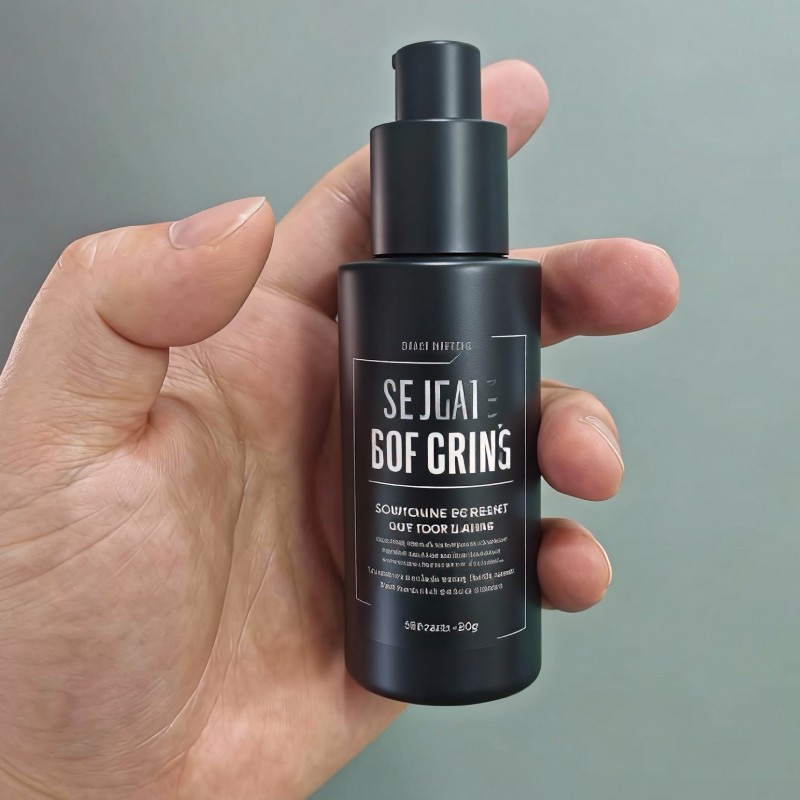
Why Serum Bottle Design Directly Impacts Ingredient Stability
The potency of active ingredients in serums is profoundly influenced by packaging choices, with degradation driven by oxygen, light, and microbial contamination.
Oxygen Exposure and Oxidation of Actives Like Vitamin C and Retinol
Continuous exposure to ambient oxygen rapidly oxidizes sensitive actives such as L‑ascorbic acid and retinol, converting them into inactive byproducts. A 2022 stability study found that a vitamin C serum in a conventional jar lost half its antioxidant capacity in only 7 days due to headspace air, while the identical formula protected by an airless serum bottle retained over 95% potency after 12 weeks. Airless bottle designs use a piston and vacuum mechanism to isolate the product from oxygen after each dispensing, significantly slowing oxidation. Without this barrier, retinol formulations can yellow and lose efficacy within weeks. Choosing a serum bottle that minimizes oxygen ingress is therefore the most direct method to preserve the clinical performance of oxygen‑labile ingredients.
UV Light Degradation of Photolabile Compounds (e.g., Ferulic Acid, Peptides)
Photolabile compounds like ferulic acid, growth factors, and certain peptides degrade rapidly under ultraviolet radiation, compromising the serum’s functional claims. In a 2023 photostability test, retinol exposed to a standard UV‑A/UV‑B dose for 8 hours suffered a 70% reduction in active concentration, while the same formula housed in an amber glass serum bottle remained stable. Amber and violet glass block spectrum‑critical wavelengths up to 500 nm, shielding ingredients from light‑driven decomposition. Transparent bottles, even those with minimal UV coating, allow enough energy to initiate free‑radical cascades. For formulations containing retinoids, vitamin C derivatives, or plant‑based antioxidants, a serum bottle with integrated UV‑barrier properties is indispensable to maintain label‑claimed potency through the product’s shelf life.
Microbial Contamination Risks from Repeated Air Exposure and Non-Sterile Dispensing
Every manual opening of a dropper bottle introduces airborne microbes and skin‑borne flora, accelerating spoilage. A 2021 comparative microbial challenge recorded a 3‑log increase in bacterial counts within two weeks of first use for dropper‑dispensed serums, while airless pump serum bottles maintained a sterile state for six months. Simple screw caps or rubber‑teat droppers leave the formulation vulnerable to repeated inoculation every time the applicator tip contacts fingers or the atmosphere. Airless designs, by expelling product without drawing air back into the reservoir, eliminate this pathway. For water‑based serums with minimal preservative systems, a serum bottle with a closed, non‑breather dispensing mechanism is essential to prevent visible growth and ensure consumer safety over the full usage period.
Choosing the Right Serum Bottle by Ingredient Sensitivity Profile
The ideal serum bottle is not a one-size-fits-all decision; it must be precisely matched to the formulation's chemical vulnerabilities. Selecting the wrong packaging can negate the benefits of even the most potent active ingredients, leading to rapid degradation. For product developers and brands, understanding the sensitivity profile of key ingredients is the foundational step in preventing stability failures before they reach the consumer.
Airless Serum Bottles for Oxygen-Sensitive Formulations: Performance Data and ICH Q1A Validation
Airless serum bottles address oxygen-driven degradation through a vacuum-driven piston mechanism that isolates the formula from outside air—dispensing product without allowing oxygen to re-enter. This protective capability is systematically validated through ICH Q1A stability testing, the globally recognized guideline for pharmaceutical and cosmetic formulations. Under accelerated conditions (40°C ± 2°C / 75% RH ± 5% RH), an ICH Q1A protocol quantifies an active ingredient’s degradation threshold. According to a 2023 analysis of packaging material compatibility, properly engineered airless packaging maintained retinol concentration above 90% over a six-month accelerated study period—far outperforming dropper-cap configurations.
An airless bottle’s closed system also provides a critical barrier against microbial contamination from repeated, non-sterile dispensing. Traditional droppers act as a two-way conduit: they draw up serum but also introduce ambient air laden with bacteria and fungi each time the pipette is removed. A leading dispensing systems manufacturer demonstrated in a 2022 study that airless packaging reduced formula bioburden ingress by over 99% compared to conventional screw-cap jars—a decisive advantage for water-based serums more susceptible to spoilage. Its high-recovery design further supports formulations with difficult rheologies, such as thick gels or those containing suspended particles, ensuring nearly 95% product evacuation and minimizing waste.
Amber Glass Serum Bottles and Ampoules for High-Potency, Low-Volume Serums
For serums where potency and absolute purity are paramount—such as those with high concentrations of peptides or ferulic acid—amber glass serum bottles and single-dose ampoules represent a long-trusted solution. These ingredients are often photolabile, meaning their molecular structure is dismantled by ultraviolet (UV) light, rendering them ineffective. Amber glass functions by absorbing high-energy visible and UV light wavelengths (below 450 nm), effectively sacrificing the light energy to prevent photochemical degradation inside the sealed bottle. The inherent inertness of Type I borosilicate glass ensures no chemical interaction between container and formula—a vital feature for low-viscosity serums where leached compounds from plastic could alter identity.
Ampoules elevate this protection further by hermetically sealing a single dose, guaranteeing a 100% sterile and air-free environment until the moment of application. This makes them the definitive packaging choice for ultra-premium, preservative-free formulations where even a single hour of exposure to open air is unacceptable.
Avoiding Real-World Preservation Failures: Evidence-Based Serum Bottle Selection
Real-world preservation failures often stem from a mismatch between ingredient sensitivity and packaging design—not just formulation flaws. For instance, a clear glass dropper bottle allows oxygen and UV light to degrade vitamin C within weeks, turning a clear serum yellow and slashing its antioxidant activity. Evidence from stability protocols aligned with ICH Q1A demonstrates that airless pump bottles can cut oxygen ingress by up to 98% compared to open-mouth jars, preserving retinol integrity beyond 12 months. Selecting the right serum bottle demands an evidence-based approach: amber glass for photolabile actives like ferulic acid, airless pumps for oxygen-sensitive retinoids, and chemically inert materials to prevent peptide adsorption or leaching. Without this rigour, even a well-formulated serum can lose potency, discolour, or become a microbial risk—eroding user safety and brand trust long before the labelled expiry date.
FAQ
Why is oxygen exposure harmful to serums?
Oxygen rapidly oxidizes sensitive ingredients like L-ascorbic acid and retinol, reducing their effectiveness and transforming them into inactive byproducts.
What packaging prevents UV light degradation?
Amber or violet glass bottles block harmful UV wavelengths, shielding photolabile ingredients like ferulic acid and peptides from decomposition.
How does airless packaging prevent microbial contamination?
Airless packaging uses a vacuum mechanism that dispenses product without drawing air back into the reservoir, eliminating bacteria-laden exposure.
What are the benefits of ampoules?
Ampoules provide a 100% sterile, air-free environment, making them ideal for ultra-premium serums with minimal preservatives.
How does ingredient sensitivity affect bottle selection?
Serum bottles must match the chemical vulnerabilities of formulas, such as oxygen sensitivity or photolability, to preserve their potency and safety.