 EN
EN

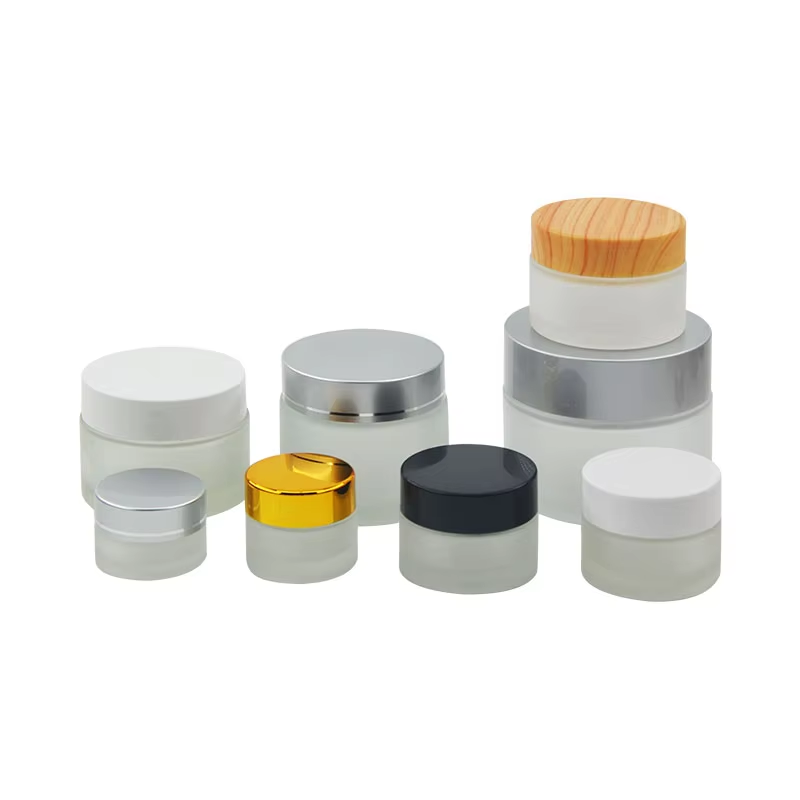
Preserving Formula Integrity with Airtight Cosmetic Jars
Airtight cosmetic jars are engineered to eliminate oxygen exposure—the primary cause of active ingredient degradation. By isolating sensitive formulas from air, these containers preserve potency, extend shelf life, and reduce reliance on preservatives.
How airtight seals prevent oxidation and degradation of sensitive actives
Airtight cosmetic jars use a piston or vacuum mechanism that separates the product from outside air. As the user dispenses the cream, the piston rises, maintaining a complete seal and preventing oxygen from contacting the remaining formula. This design halts oxidation—a chemical reaction that breaks down actives like vitamin C, retinol, and peptides—preserving their efficacy. In contrast, conventional jars introduce fresh air with every opening, accelerating degradation. An airtight jar ensures stability from first use to last, delivering consistent performance while slowing microbial growth. That reduced bioburden allows formulations to rely less on synthetic preservatives, supporting cleaner, more natural product claims without compromising safety or sensory integrity.
Extended stability for vitamin C, retinol, and peptides under low-oxygen conditions
Vitamin C oxidizes rapidly in air, turning brown and losing its brightening and antioxidant benefits. Retinol degrades when oxygen interacts with its double bonds, diminishing anti-aging effects. Peptides—complex amino acid chains—can unfold or fragment under oxidative stress, impairing their skin-signaling function. Airtight jars create a sustained low-oxygen environment that significantly slows these reactions. The sealed system maintains active integrity for months longer than traditional packaging, directly translating to extended shelf life, fewer customer returns, and reliable real-world performance. By minimizing the need for high-dose antioxidant preservatives, this design also enables cleaner formulations—aligning with growing consumer demand for transparency and purity in skincare.
Enhancing User Safety and Hygiene Through Airtight Cosmetic Jar Design
Barrier against microbial contamination: non-porous materials and seal integrity
Airtight cosmetic jar design limits microbial ingress through two foundational elements: non-porous construction and validated seal integrity. Materials like HDPE, PP, and glass lack microscopic pores that harbor bacteria or fungi, providing smooth, inert surfaces resistant to biofilm formation. When paired with precision-engineered closures—such as induction-seal liners or screw caps with elastomeric gaskets—the container achieves hermetic protection against airborne contaminants. Rigorous leak testing and seal validation ensure barrier performance remains intact across temperature shifts and transit stresses. As demonstrated in the International Journal of Cosmetic Science, products stored in airless or airtight containers showed up to 60% less microbial contamination than those in open jars—a result rooted in deliberate engineering, not incidental benefit.
Airtight vs. open jars: reducing finger contact and cross-contamination risk
Open jars require direct finger contact with the product, introducing bacteria, sebum, and epidermal cells at every use. Consumer concern is well-founded: surveys show 67% worry about contamination from repeated dipping, and microbiological studies confirm it accelerates spoilage. Airtight alternatives—including airless pumps and vacuum-sealed jars—dispense product without exposing the formula to fingers or ambient air, mechanically eliminating a major contamination vector. Even non-pump airtight designs often include clean spatulas or single-use applicators to reinforce hygiene discipline. This shift delivers a demonstrably safer experience—one that meets rising expectations for purity, sterility assurance, and responsible personal care.
Extending Shelf Life and Supporting Sustainable Packaging Goals
Material compatibility: HDPE, PP, and glass in airtight cosmetic jar construction
Material choice shapes both functional performance and environmental responsibility. Airtight cosmetic jars rely on non-porous substrates—HDPE, PP, and glass—each selected for specific barrier and sustainability advantages. Glass offers complete inertness, preventing chemical interaction with even the most reactive actives. HDPE and PP provide lightweight durability and exceptional moisture resistance while maintaining long-term seal integrity. Critically, all three materials are widely accepted in municipal recycling streams, supporting circular economy goals. Selecting the optimal substrate for a given formulation ensures the jar preserves efficacy and advances the brand’s sustainability commitments—not as trade-offs, but as aligned priorities.
Data-backed shelf life extension—37% average improvement for antioxidant serums
Airtight packaging delivers quantifiable preservation gains. Research on antioxidant serums shows a 37% average increase in shelf life when stored in low-oxygen airtight jars versus conventional containers. This extension stems directly from suppressed oxidation of air-sensitive actives like vitamin C and retinol. Longer viable life means less product waste, lower carbon intensity per unit delivered, and stronger alignment with ESG targets. For brands, it’s a dual win: enhanced product consistency and measurable progress toward sustainability benchmarks—without diluting performance or regulatory compliance.
Meeting Regulatory and Market Expectations for Airtight Cosmetic Jars
The global cosmetic jars market is projected to reach $7.25 billion by 2035, growing at a 4.3% CAGR (Future Market Insights, 2025), driven by tightening regulations and heightened consumer demand for integrity and safety. Airtight designs directly support compliance: ISO 22715 mandates tamper evidence and container safety; FDA requirements stipulate GRAS-certified materials; and the EU Ecolabel rewards low-impact, recyclable packaging—criteria readily met by HDPE, PP, and glass-based airtight systems. Market trends reinforce this alignment: over half of premium jars sold hold under 50 ml, reflecting demand for travel-friendly formats that prioritize protection without compromise. Brands adopting airtight sealing don’t just future-proof formulations—they build trust, strengthen differentiation, and meet the converging expectations of regulators, retailers, and increasingly discerning consumers.
FAQ
What are airtight cosmetic jars designed for?
Airtight cosmetic jars are designed to eliminate oxygen exposure, prevent formula degradation, extend shelf life, and reduce the need for preservatives in skincare products.
How do airtight cosmetic jars prevent oxidation?
They use piston or vacuum mechanisms to maintain a seal, preventing oxygen from interacting with sensitive actives like vitamin C, retinol, and peptides.
What materials are commonly used in airtight cosmetic jars?
Airtight cosmetic jars typically use HDPE, PP, and glass for their non-porous surfaces, chemical resistance, and sustainability benefits.
What safety benefits do airtight cosmetic jars offer?
They limit finger contact, reduce cross-contamination, and prevent microbial buildup, making the products safer for extended use.
How do airtight jars support sustainability?
Airtight jars extend product shelf life, reduce waste, and utilize recyclable materials like HDPE, PP, and glass to align with sustainability goals.