 EN
EN

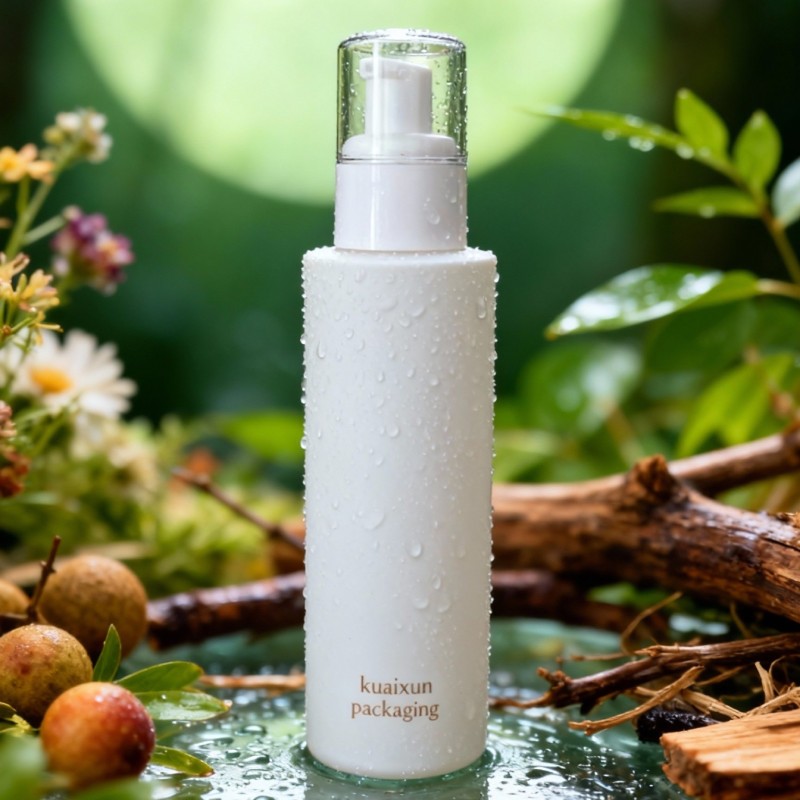
Cosmetic Packaging as a Strategic Brand Differentiator
Emotional resonance and personalisation: building loyalty beyond the product
Cosmetic packaging is no longer a mere container—it’s the first tactile and visual encounter a consumer has with a brand. By embedding personalisation—such as monogrammed compacts, custom shade palettes, or limited-edition artist collaborations—brands transform routine purchases into emotional experiences. When packaging feels uniquely theirs, consumers attach personal meaning, deepening their bond beyond functional benefits. Over half of US consumers now pay close attention to the look and feel of beauty products (Mintel, 2023), and a significant share of Gen Z and Millennials in Germany say design directly influences their choice. Thoughtful details like embossed names, handwritten-style notes, or modular refill systems signal that the brand sees the individual—not just a sales target. This sense of recognition fosters repeat purchases and word-of-mouth advocacy, as the package itself becomes a keepsake. In a market flooded with duplicable formulas, emotional resonance, sparked by personalised cosmetic packaging, builds a moat of loyalty competitors cannot easily replicate.
Design-led differentiation: lessons from Glossier, Aesop, and BYREDO
Iconic design language can turn a simple jar or tube into a cultural signifier. Three distinct approaches illustrate how cosmetic packaging carves a unique market position without relying on logos alone. Glossier redefined the white-space aesthetic with soft-touch pastels, playful typography, and reusable bubble wrap pouches—making unboxing feel like receiving a gift. Aesop communicates purity and craftsmanship through apothecary-style amber bottles and utilitarian black-and-white labels. BYREDO leverages oversized, sculptural flacons and matte-black finishes, using heavy, tactile materials to signal luxury and exclusivity without overt branding. These design philosophies are measurable: 42% of Gen Z and Millennials in Germany are willing to pay more for packaging that looks distinctive (Mintel, 2023). By adopting a consistent, story-driven design vocabulary, each brand turns its package into a silent ambassador—immediately recognizable on a crowded shelf and across social media feeds.
Visual Impact and Shelf Appeal: How Cosmetic Packaging Influences First Impressions
Color, shape, and material psychology in consumer decision-making
Color triggers instant emotional responses that steer purchase decisions. Luxury cosmetic packaging often uses deep black or gold to signal exclusivity; soft pastels suggest gentleness; green evokes sustainability. Shape reinforces brand personality: rounded contours feel approachable and feminine, while angular, minimalist forms convey modernity and precision. Even material choice—glass, heavy acrylic, or matte plastic—acts as a silent quality cue. A cool, weighty glass jar suggests potency and purity; a flexible, lightweight tube implies convenience. These sensory cues work together to shape perceived value before the formula is ever tested. By aligning color, geometry, and substrate with the target consumer’s expectations, brands create a subconscious narrative that accelerates shelf selection and forges an immediate, memorable connection.
Data insight: 74% of consumers judge product quality by cosmetic packaging visuals (Euromonitor, 2023)
The Euromonitor statistic underscores that visual packaging design is not merely decorative—it is a decisive quality signal. When 74% of shoppers equate a product’s look with its performance, every design element matters. A finish that catches light, typography that feels authentic, or a color palette harmonizing with the brand’s promise can elevate a formulation from ordinary to aspirational. This insight pushes brands to treat cosmetic packaging as a preview of the product’s efficacy—not just a wrapper. The immediate visual assessment on a crowded shelf or digital product page determines whether the product earns a second glance. In a market saturated with options, cosmetic packaging that consistently communicates premium cues through coherent visuals converts fleeting first impressions into lasting purchase decisions.
Tactile Quality and Functional Excellence in Cosmetic Packaging
Texture, weight, and finish as silent signals of premium value
The tactile quality of cosmetic packaging silently communicates value. Research by Peck & Wiggins (2006) found that touch cues boost emotional connection and purchase intent, while Krishna (2012) confirmed texture directly impacts perceived quality. Soft-touch coatings create a velvety feel, signaling indulgence; matte finishes convey understated elegance; glossy surfaces suggest vibrancy. Weight also matters—a heavier glass jar conveys luxury and durability far more effectively than a lightweight alternative. For example, a perfume bottle with a soft-touch coating and weighted base feels more substantial and premium than a standard plastic counterpart. Ergonomic shapes that fit comfortably in the hand encourage repeated interaction. These physical signals—texture, weight, finish—work in concert to elevate perceived value and differentiate the brand at the point of purchase. In a competitive market, such tactile distinction can be the deciding factor.
Unboxing experience, hygiene integrity, and durability—building trust through function
Functional excellence in cosmetic packaging goes beyond aesthetics. The unboxing process is the first tactile brand interaction—a smooth, premium experience sets a positive tone from the start. Tamper-evident seals and airtight closures safeguard against contamination, preserving hygiene integrity. Consumers increasingly expect safety and freshness; messy, insecure, or poorly engineered packaging erodes trust instantly. Durable materials that resist impact, moisture, and temperature fluctuations protect the product throughout shipping, retail handling, and home use. By ensuring consistent functional quality across the product’s entire journey, brands reinforce their commitment to excellence—building long-term loyalty and a sustainable competitive edge.
FAQ Section
Why is cosmetic packaging important for brand differentiation?
Cosmetic packaging serves as a consumer's first visual and tactile experience with the brand. It influences emotional connections, creates a sense of ownership, and helps brands stand out in a competitive market with saturated product offerings.
How does personalized packaging create emotional resonance?
Customized options like monogrammed compacts or artist collaborations make the product feel unique to the consumer, attaching personal meaning and fostering loyalty.
What are some iconic examples of brand-focused packaging design?
Glossier's pastel themes, Aesop's apothecary-style bottles, and BYREDO's sculptural flacons exemplify how packaging design becomes part of a brand's identity and cultural footprint.
How do tactile qualities influence perceived product value?
Elements like soft-touch coatings, weighted materials, and ergonomic shapes communicate luxury and elevate the perceived value of the product, encouraging positive purchase decisions.