 EN
EN

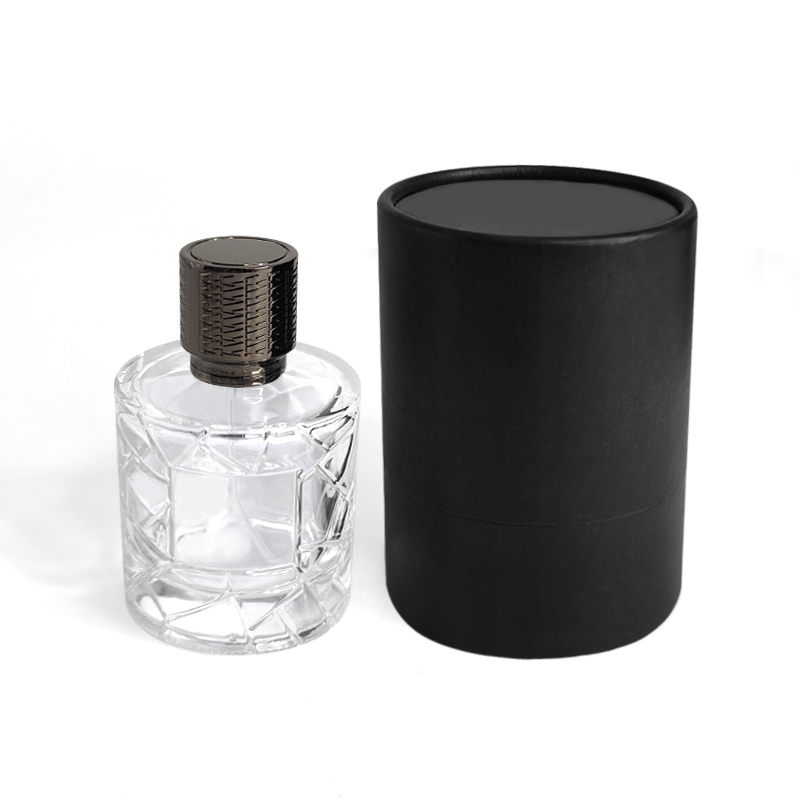
The Psychology of Visual Memory: How Perfume Bottles Anchor Brand Identity
Why the human brain prioritizes distinctive perfume bottle shapes and logos
The human brain processes visual information 60,000 times faster than text, making distinctive shapes a primary memory anchor (3M, 2022). A perfume bottle’s silhouette and logo act as visual shorthand—bypassing rational analysis to embed directly into long-term memory when the form is unique. Research shows consumers recall a brand’s visual identity 65% more accurately when tied to a distinctive container shape (Journal of Consumer Psychology, 2022). This effect is especially potent in fragrance, where the bottle is often the sole tangible touchpoint before purchase. The fusiform gyrus—a brain region specialized for object recognition—responds more strongly to unusual contours, flagging them as novel and encoding them as “landmark” objects. Consistent exposure to a signature shape—like a faceted gemstone or asymmetrical curve—builds a mental prototype that strengthens recall over time. Eventually, the mere sight of that silhouette triggers associated scent memories, forging a self-reinforcing loop between visual identity and emotional response.
Neuroscience behind the 7-second first impression: Packaging as cognitive shortcut
A 2023 study by the Packaging Consortium found that 73% of purchase decisions are made within the first seven seconds—driven not by logic, but by rapid limbic-system evaluation. A perfume bottle functions as a cognitive shortcut, instantly conveying category, quality tier, and brand personality through color, texture, and weight. The amygdala—the brain’s emotional sentinel—responds to tactile and visual cues: the cool heft of thick glass signals luxury; the gleam of a metallic logo conveys precision and desirability. This pre-rational assessment conserves mental energy in saturated markets, letting shoppers navigate dozens of options without overload. When bottle design aligns with a recognizable brand archetype—such as minimalist rectilinear forms for modern elegance—the brain identifies the pattern in under 500 milliseconds, reducing hesitation and increasing selection likelihood. In this way, packaging becomes an indispensable vehicle for building trust at first glance.
Standing Out in Retail and E-Commerce: Perfume Bottle Differentiation Strategies
In both physical retail and digital storefronts, a custom perfume bottle serves as a visual anchor that cuts through clutter. On crowded shelves, shoppers scan dozens of fragrances in seconds—a distinctive silhouette, unique glass tint, or prominently placed logo immediately signals brand identity, triggering memory recall faster than any label alone. Online, the bottle image is often the first—and sometimes only—sensory cue before purchase; high-contrast logo placement and sculptural form ensure visibility in thumbnail grids and social feeds. Brands investing in exclusive mold designs, tactile finishes, and cohesive color palettes transform packaging into a silent sales tool, reinforcing recognition across every touchpoint. This strategic differentiation shortens decision cycles and builds a durable visual signature—one that lingers in consumer memory long after the initial interaction.
Strategic Customization of Perfume Bottles: Beyond Aesthetics to Brand Consistency
Logo Application Methods That Maximize Visibility and Durability on Perfume Bottles
How a logo is applied determines its impact and longevity. Embossing and debossing create raised or recessed designs that catch light and offer tactile distinction—ideal for low-light retail environments. Screen printing delivers vibrant color and fine detail, best suited for bold, expressive identities, though it requires a protective overcoat to resist scratches and chemical exposure. Laser engraving etches the logo directly into glass, ensuring permanence—critical for luxury packaging meant to endure years of handling. Hot stamping with metallic foils adds premium sheen and depth, while pad printing enables precise application on curved surfaces. Each method balances visual prominence with resilience, turning the bottle into a durable brand ambassador—from shelf to dressing table.
Aligning Bottle Shape, Color, and Texture with Core Brand Values
Custom perfume bottle design must translate brand values into physical experience. A minimalist brand may favor sleek, angular geometry and matte frosted glass to signal modernity and sophistication; a heritage brand might choose rounded silhouettes and vintage-inspired ribbed textures to evoke craftsmanship and tradition. Color psychology plays a pivotal role: deep blue conveys calm and trust, ruby red suggests passion and energy, opaque black projects exclusivity and mystery. Texture reinforces meaning—smooth, polished surfaces communicate refinement; soft-touch matte finishes feel approachable and contemporary. Even weight and grip ergonomics send subconscious cues about quality and user care. When shape, color, and texture cohere with visual identity and market positioning, the bottle becomes a silent storyteller—deepening connection and ensuring instant recognition among competitors.
Balancing Uniqueness and Clarity: Avoiding Over-Customization Pitfalls
Extensive customization can weaken, rather than strengthen, brand recognition. While distinctive logos and shapes differentiate a brand, offering too many options—such as unlimited bottle shapes, colors, or logo placements—fragments visual identity and dilutes recall. Consistent brand presentation has been shown to increase revenue by up to 23% (Lucidpress), yet over-customization disrupts that consistency, causing confusion and eroding the trust built by a strong visual signature. Decision fatigue also sets in when customers face excessive choices, reducing purchase intent. To avoid these pitfalls, brands should establish clear customization guidelines rooted in core values. For example, curate a limited set of logo applications—debossing, screen printing, or metal plates—that preserve readability and cohesion, rather than deploying open-ended design tools. By balancing uniqueness with clarity, the perfume bottle remains a powerful, instantly recognizable brand ambassador—whether on a department store shelf or a mobile e-commerce page.
FAQ Section
Why are distinctive perfume bottle shapes important?
Distinctive bottle shapes help brands stand out and are processed faster by the human brain, embedding visual identity into long-term memory.
How does perfume packaging influence purchasing decisions?
Packaging acts as a cognitive shortcut, conveying brand identity, category, and quality within seconds, which influences emotional responses and trust.
What are some effective logo applications for perfume bottles?
Embossing, screen printing, laser engraving, and hot stamping are popular methods that ensure visibility, durability, and premium aesthetics.
How can brands avoid over-customization pitfalls in bottle design?
Brands should focus on clear customization guidelines that align with core values, limiting excessive design variations to maintain consistency and trust.
Table of Contents
- The Psychology of Visual Memory: How Perfume Bottles Anchor Brand Identity
- Standing Out in Retail and E-Commerce: Perfume Bottle Differentiation Strategies
- Strategic Customization of Perfume Bottles: Beyond Aesthetics to Brand Consistency
- Balancing Uniqueness and Clarity: Avoiding Over-Customization Pitfalls
- FAQ Section