 EN

Why Barrier Integrity Is Non-Negotiable for Active Ingredient Stability
Oxidation & Contamination: How Poor Sealing Compromises Potency
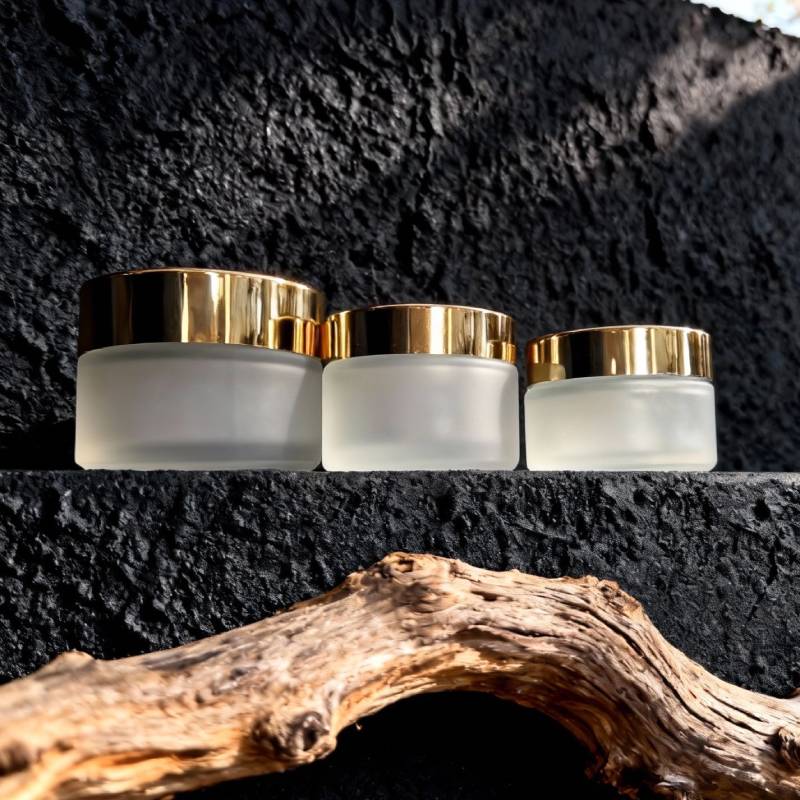
Poor sealing transforms a well-designed cosmetic jar into an open system. Oxygen and water vapor infiltrate through microgaps around the lid or liner, triggering oxidation of unsaturated lipids, retinol, and ascorbic acid. A 2022 stability study found that daily opening of a non-airless cosmetic jar increased oxygen exposure by ~40% within four weeks—accelerating active degradation. Even lids that appear fully closed may permit enough air exchange to shorten the functional life of oxygen-sensitive actives by 30–50%. Contamination follows the same pathway: fingertips, airborne microbes, and ambient humidity introduce organisms that preservatives must neutralize. When barrier integrity fails, preservative reserves deplete faster—leaving less protection for the remaining formula. A 2021 review of cosmetic packaging defects linked most field stability failures to cap seal deformation and liner compression set—not formulation instability. The consequences include odor change, color drift, pH shift, and diminished clinical efficacy. That’s why closure performance should be validated under repeated open-close cycles—not just single-use leakage tests.
Material Compatibility: Matching Cosmetic Jar Polymers to Formulas (e.g., Retinol, Vitamin C, Peptides)
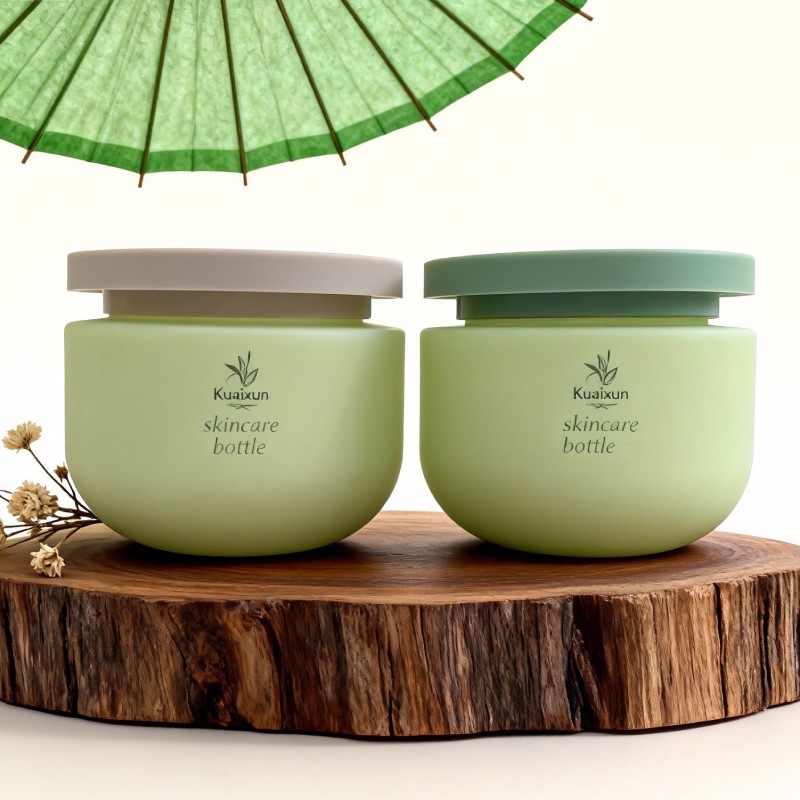
Not all polymers are inert. Polypropylene (PP) resists many oils and peptides but can adsorb lipophilic actives at low concentrations. Polyethylene terephthalate (PET) and PETG offer clarity and moderate oxygen barrier—but require UV-blocking additives in transparent jars to protect vitamin C and retinol from photodegradation. Styrene acrylonitrile (SAN) delivers premium rigidity yet has limited resistance to certain solvents and essential-oil-rich formulas. Acrylic jars are visually compelling but prone to stress-cracking when exposed to aggressive actives or high-solvent systems. For retinol, prioritize low surface adsorption and a tight seal; for vitamin C, select low-metal-content jars with acid-resistant liners and light protection; for peptides, avoid hydrophobic plastics that may deplete low-dose actives. As emphasized by the Personal Care Products Council, compatibility testing must use the actual formula—not water or model systems—to reliably predict clinical performance.
| Jar Polymer | Retinol | Vitamin C | Peptides |
|---|---|---|---|
| PP | Moderate risk of adsorption | Good if opaque | Good |
| PET/PETG | Good with UV blocker | Good with UV blocker | Good |
| SAN | Moderate | Moderate | Good |
| Acrylic | Not recommended in high-solvent systems | Use with caution | Use with caution |
Airless Cosmetic Jars: The Gold Standard for Sensitive and High-Actives Formulations
Airless cosmetic jars use an internal piston or pouch to isolate the remaining formula from ambient air. This design is especially effective for high-actives formulations containing vitamin C, retinol, niacinamide, or sensitive peptides—ingredients known to degrade rapidly upon repeated oxygen exposure. Because the product remains sealed between uses, brands can often reduce preservative load without compromising microbial safety—a key advantage for sensitive-skin products seeking cleaner preservation profiles.
How Airless Dispensing Eliminates Oxygen Exposure and Dose Consistency
Conventional jars reintroduce fresh oxygen with every opening, accelerating oxidation and diminishing potency over time. In contrast, airless jars employ a rising piston that pushes product toward the dispensing outlet, minimizing headspace and limiting air contact with the remaining formula. This controlled-exposure mechanism helps prevent color shifts, off-odors, and potency loss in oxidation-prone actives. Dose consistency also improves: each press or pump delivers a reproducible volume, reducing application variability and supporting predictable user outcomes. Reduced finger contact further limits microbial transfer—preserving preservative efficacy and extending shelf-life stability. Airless systems also minimize waste: the piston evacuates >95% of contents, a critical benefit for premium serums where cost per milliliter is high. Real-world evidence confirms airless formats deliver measurable advantages over open-mouth jars for both stability and user compliance.
Spatula vs. Airless Trade-offs: Hygiene, Stability, and User Experience
Airless jars eliminate both oxygen ingress and direct finger contact—but they aren’t universally suitable. Very thick balms, grainy scrubs, and waxy masks may clog dispensing mechanisms or impede piston movement, making open jars with dedicated spatulas a more practical choice. While spatulas improve hygiene over bare fingers, they still require lid removal and expose the full surface area of the remaining product to air. Airless systems maintain a continuous barrier until dispensing, offering superior protection for high-actives and sensitive-skin formulations. Still, open jars retain strong consumer appeal for their sensory ritual, tactile familiarity, and ease of accessing residual product. Perception matters too: airless packaging signals clinical precision and treatment focus, whereas jars evoke spa-like generosity. Brands should validate viscosity compatibility, pump function, leakage resistance, and closure durability before finalizing format decisions—the optimal choice hinges on texture, preservation strategy, and intended user experience.
Light Protection in Cosmetic Jar Design: Shielding UV-Sensitive Actives
Amber Glass, Frosted PP, and UV-Blocking Polymers—Evaluating Real-World Efficacy
Light exposure accelerates degradation of retinol, vitamin C, and peptides—reducing active concentration and clinical impact. Even with perfect airtightness, inadequate light shielding can significantly curtail shelf life. Among common materials, amber glass provides the strongest broad-spectrum UV protection—particularly below 500 nm—making it ideal for highly photosensitive actives. Frosted polypropylene diffuses visible light but permits partial UV transmission, rendering it appropriate for mildly sensitive creams rather than high-potency serums. UV-blocking polymer additives—engineered to absorb targeted wavelengths while maintaining translucency—offer formulators a versatile middle ground: robust photoprotection paired with aesthetic flexibility for premium skincare lines.
| Material | UV Protection | Visibility | Best For |
|---|---|---|---|
| Amber glass | High broad-spectrum | Low | Retinol, vitamin C, essential oils |
| Frosted PP | Moderate | Diffused | Mildly sensitive creams |
| UV-blocking polymer | Tunable | Medium-high | Premium actives with aesthetic appeal |
Structural Features That Directly Impact Shelf Life and Product Integrity
Airtight Seals, Wall Thickness, and Pump Mechanics: Engineering for Long-Term Stability
A cosmetic jar’s real-world shelf life depends on three interdependent structural features: airtight seals, wall thickness, and pump mechanics. Airtight seals prevent oxygen and moisture ingress—directly protecting oxidation-prone actives like retinol and vitamin C. Seal resilience—measured by compression set—is critical: high-performing seals retain shape and function across hundreds of open-close cycles, while over-tightened caps can distort threads and create microgaps. Wall thickness governs moisture vapor transmission and mechanical integrity; thicker walls resist flexing and stress cracking in humid environments (e.g., bathrooms), but excessive thickness adds unnecessary weight and cost. For airless or pump-based jars, dose repeatability and seal rebound determine whether the formula stays isolated after each use. Leading manufacturers validate these parameters under temperature cycling and torque testing—not just static material specs—to ensure long-term stability aligns with clinical claims.
FAQ
Why is barrier integrity important for active ingredient stability?
Barrier integrity prevents oxygen and moisture from infiltrating the product, reducing oxidation, contamination, and active ingredient degradation.
What materials are best for storing retinol and vitamin C?
Amber glass and UV-blocking polymers offer the best protection, while polyethylene terephthalate (PET) with UV blockers is also effective.
Why are airless cosmetic jars considered better for high-actives formulations?
Airless jars limit oxygen exposure, improve dose consistency, prevent microbial contamination, and ensure product stability over time.
What are the drawbacks of airless jars?
Very thick or grainy formulas may clog airless dispensing mechanisms, making open jars with spatulas a better choice for certain products.
Table of Contents
- Why Barrier Integrity Is Non-Negotiable for Active Ingredient Stability
- Airless Cosmetic Jars: The Gold Standard for Sensitive and High-Actives Formulations
- Light Protection in Cosmetic Jar Design: Shielding UV-Sensitive Actives
- Structural Features That Directly Impact Shelf Life and Product Integrity
- FAQ