 EN

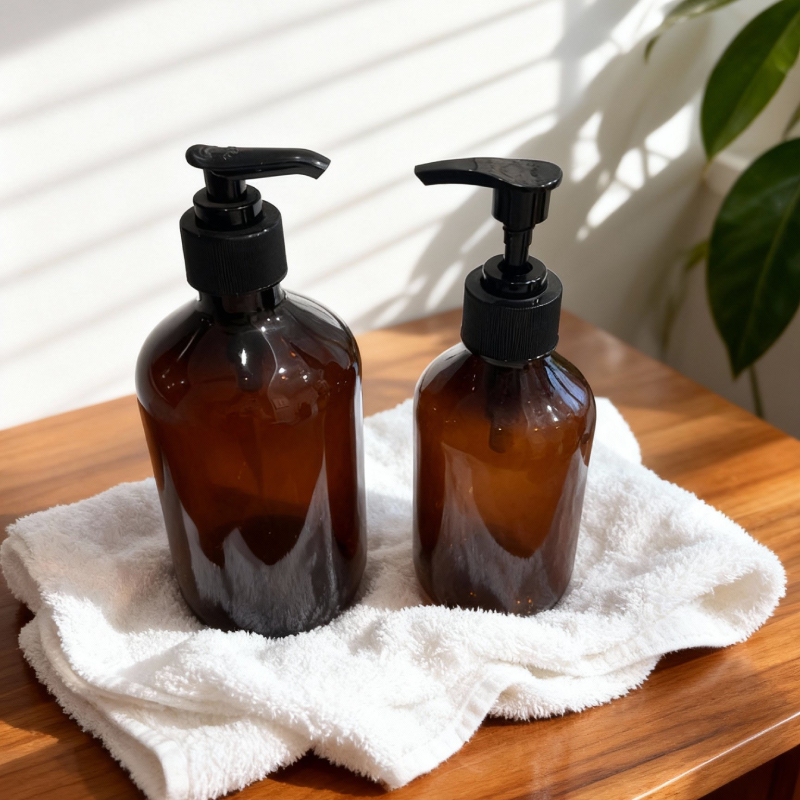
Precise, Waste-Reducing Dispensing for Every Use
Consistent Dosing and Controlled Output Improve User Experience
A pump-type lotion bottle removes the guesswork from dispensing: each press delivers a repeatable dose—typically between 0.5 ml and 2.0 ml—depending on the closure’s engineering. This consistency helps users apply the right amount for face, hands, or body without repeated squeezing, dipping, or visual estimation. Controlled output also reduces mess—lotion stays on the palm or target area instead of running down the bottle. In a 2023 survey of personal-care users, 68% reported that consistent dosing made their routine feel faster and more pleasant. The closed pump action prevents accidental spills if the bottle tips over, and because the dose is fixed, users avoid applying too much or too little—a benefit especially valuable for thick creams and fluid lotions. For people with limited grip strength or arthritis, predictable output minimizes repetitive motions and supports independent use. Manual pumps can be calibrated during filling to match product viscosity and intended application area, keeping each dose within tight tolerances. This reliability enhances cleanliness and usability across home, gym, and clinical settings—resulting in a smoother experience and less product wasted on the cap.
How Pump-Type Lotion Bottles Cut Over-Dispensing by Up to 23%
Over-dispensing occurs easily with open jars and wide-mouth tubs, where users tip, squeeze, or scoop beyond what’s needed. A pump-type lotion bottle inherently limits output per stroke, capping the maximum dose and making it predictable. In a 2023 controlled comparison of personal-care packages, pump mechanisms reduced over-dispensing by up to 23% relative to jars and flip-top tubes. This reduction cuts product loss, keeps the bottle neck and threads cleaner, and minimizes greasy residues on hands or countertops. Daily use compounds the benefit: a consumer using two pumps per application avoids roughly one full bottle’s worth of waste annually. For manufacturers, controlled output enables accurate usage guidance and more reliable refill forecasting—and contributes to sustainability by lowering the volume of unused product discarded with packaging. Because each press resets the pump chamber, users cannot accidentally release extra product by shaking or inverting the bottle—even when nearly empty. The 23% figure reflects average improvement across thin and thick formulas, with greater gains observed for low-viscosity lotions.
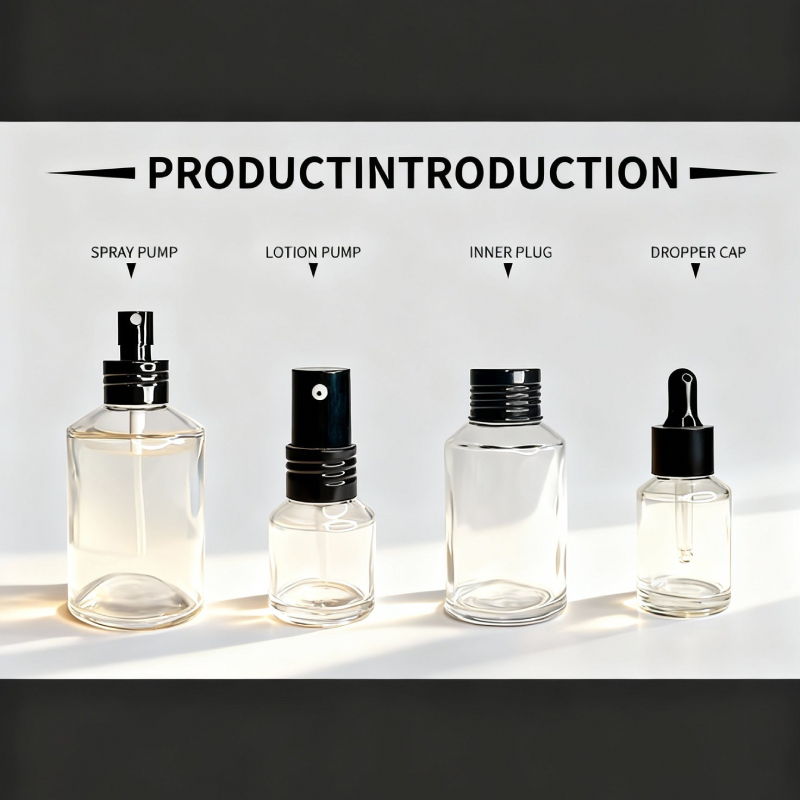
Superior Hygiene Through Closed-System Protection
One-Way Valves and Airless Architecture Block Contamination
Pump-type lotion bottles with closed-system designs significantly limit external contamination. A one-way valve opens only during dispensing and seals instantly afterward—preventing air, moisture, and skin debris from re-entering the chamber. In true airless systems, a piston or diaphragm rises as product is used, ensuring the remaining formula never contacts ambient air. Unlike open jars, these pumps eliminate the need for fingers or spatulas to dip into the product—reducing introduction of bacteria, yeast, and mold. The valve also blocks backflow, which could carry microbes from the nozzle into the reservoir. With the product path sealed between uses, preservative systems operate under less stress—critical for preservative-light or sensitive formulations where contamination risk is elevated. Together, one-way valves and airless architecture create a physical barrier that supports cleaner, safer repeated use.
Why Clinics and Consumers Prefer Pump-Type Lotion Bottles for Skincare Hygiene
In both clinical and home skincare routines, minimizing direct contact with product is a top hygiene priority. Pump-type bottles support this by delivering measured doses without exposing the remaining formula—making them a preferred choice among dermatologists and aestheticians for in-office treatments and patient take-home regimens. Consumers also favor pumps for daily use, particularly with sensitive, acne-prone, or post-procedure skin, where bacterial transfer from repeated finger contact poses a real concern. The nozzle can be wiped clean between uses, simplifying surface maintenance. In shared environments—like family bathrooms or treatment rooms—this design helps prevent cross-contamination. As a result, pump-type packaging is widely regarded as a safer, more professional standard for skincare hygiene.
Extended Product Integrity: Shielding Against Air, Light, and Microbes
A pump-type lotion bottle creates a multi-layered physical barrier between the product and its environment—the core mechanism behind extended integrity.
Airtight Sealing Preserves Active Ingredients and Extends Shelf Life
Airtight pump systems minimize oxygen and moisture exchange, slowing degradation of oxidation-sensitive actives like retinol, vitamin C, and peptides. One-way valves prevent contaminated air from re-entering after each dose, while the absence of finger contact sharply reduces microbial transfer compared with open-mouth jars. When paired with opaque or UV-filtering outer walls, these systems further protect light-sensitive ingredients. Collectively, these features slow oxidation, preserve texture, and maintain potency over time—especially vital for natural, preservative-free, or low-preservative formulations where stability is inherently fragile. Airless pump designs also reduce reliance on high preservative loads, since fewer contaminants enter the package. Note that not all “airless” pumps are fully vacuum-sealed; true vacuum variants offer the strongest protection for highly oxidation-prone formulas. The outcome is less product waste and more consistent performance from first use to last dose.
Ergonomic Accessibility and User-Friendly Design
One-Handed Operation, Low Effort, and Inclusive Usability in Pump-Type Lotion Bottles
Pump-type lotion bottles replace twist-off caps and squeeze tubes with a simple downward press—reducing physical strain and supporting inclusive access. A well-engineered pump requires minimal grip strength and finger flexion, enabling independent use for people with arthritis, reduced hand mobility, or temporary injuries. The actuator head and stable base allow confident one-handed operation, freeing the other hand for balance or multitasking. Many designs position the nozzle to dispense directly onto the palm or forearm, lowering shoulder and wrist effort during repeated applications. Because the mechanism relies on gross motor movement—not fine pinching—it meets accessibility standards across home care, clinical, and hospitality environments. A smooth, non-slip collar further reduces slippage on wet bathroom surfaces. These ergonomic features improve daily convenience, reduce caregiver dependence, and help users maintain personal care routines with less fatigue and greater confidence.
FAQ
What is the typical dose dispensed by a pump lotion bottle?
Most pump lotion bottles dispense doses between 0.5 ml and 2.0 ml per press, depending on the closure's design.
How do pump-type bottles prevent contamination?
Pump bottles use one-way valves and airless designs to block air, moisture, and skin debris from entering the chamber, minimizing contamination risks.
Can pump-type lotion bottles reduce product waste?
Yes, pump bottles inherently limit over-dispensing by capping the dose per stroke, reducing waste by up to 23% compared to other packaging types.
Are pump-type lotion bottles suitable for people with reduced mobility?
Pump bottles are ergonomically designed for easy one-handed operation, requiring minimal grip strength and supporting users with hand mobility limitations.
Do these bottles help preserve active ingredients?
Airtight systems protect oxidation-sensitive ingredients like retinol and vitamin C by minimizing air and moisture exchange, extending shelf life.