 EN
EN

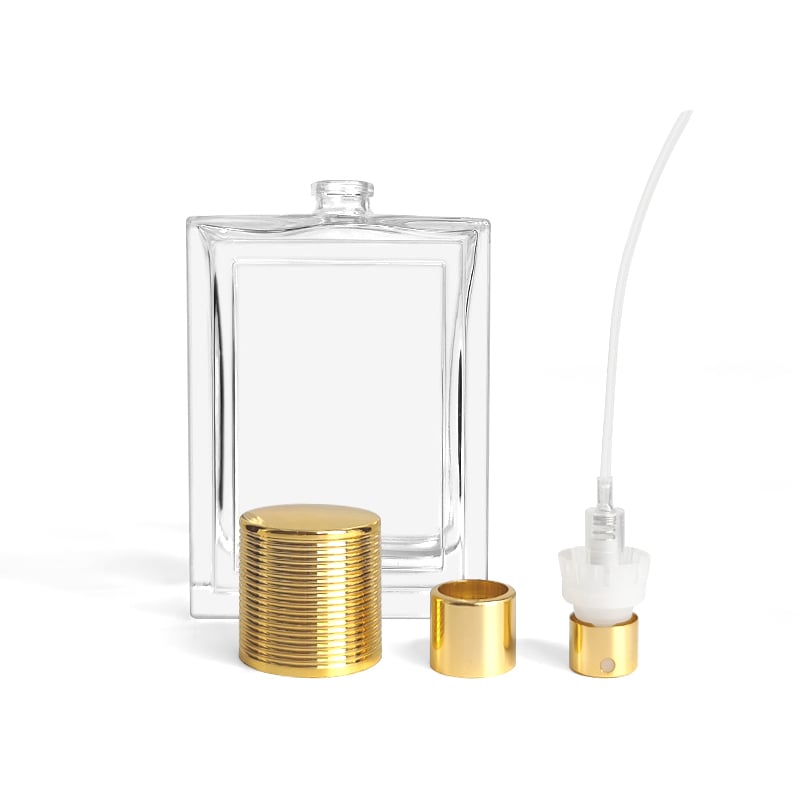
Define Purpose and Build a Strategic Design Brief for Perfume Bottle Custom
Every successful custom perfume bottle project starts with a clear “why.” Defining your primary goal—whether for a product launch, a limited edition, or a corporate gifting initiative—directly shapes material selection, budget allocation, and timeline expectations.
Aligning Customization Goals: Launch, Limited Edition, or Gifting Strategy
A product launch demands scalability and cost-efficiency: the bottle must align with mass production capabilities while expressing brand identity. For a limited edition, exclusivity drives decisions—unique shapes, premium finishes, and smaller runs justify higher per-unit costs. Corporate gifting prioritizes unboxing experience and shelf appeal; the design must convey value without complex assembly. Each goal carries distinct constraints: regulatory compliance for retail distribution, IP protection for limited runs, and lead time sensitivity for seasonal gifts. Documenting these parameters early prevents costly redesigns—e.g., a launch-oriented brief prioritizes mold longevity and cycle time, while a gifting brief focuses on cap ergonomics and sprayer tactility. Clarity of purpose ensures every design decision serves a measurable outcome.
Crafting the Technical Foundation: Mood Board, Tech Pack, and Compliance (ISO/ASTM)
Once the goal is set, translate vision into technical specifications. A mood board captures visual references—color palettes, textures, and forms—that align with brand guidelines. The tech pack converts those visuals into engineering drawings, including dimensions, wall thickness, closure tolerances, and finish callouts. This document serves as the single source of truth between brand and manufacturer. Compliance requirements—including ISO 8113 for glass container vertical load resistance and ASTM D2561 for spray closure leak prevention—must be embedded in the tech pack from day one. Integrating these standards early avoids delays during regulatory testing and reduces revision cycles by up to 30%, ensuring the first prototype matches intent.
Select Materials and Optimize Ergonomics for Perfume Bottle Custom
Glass vs. Crystal: Clarity, Sustainability, and Texture Trade-offs
Choosing between glass and crystal directly shapes aesthetics, performance, and environmental impact. Glass offers exceptional clarity, full recyclability, and strong chemical resistance—making it the standard for premium fragrances. Crystal delivers higher refractive index and perceived luxury through weight and brilliance, but its lead oxide content increases energy use and lowers recyclability. Texture-wise, glass supports soft-matte, glossy, or embossed finishes; crystal excels at sharp facets and deep refraction. Consider this trade-off strategically:
| Property | Glass | Crystal |
|---|---|---|
| Clarity | High, with slight green tint possible | Extremely bright (lead oxide content) |
| Sustainability | Fully recyclable, widely accepted | Lower recyclability, higher carbon footprint |
| Texture versatility | Smooth, frosted, or embossed | Sharp, faceted, premium weight |
Glass suits eco-conscious brands seeking durability and consistency; crystal fits ultra-luxury limited editions where visual distinction outweighs sustainability trade-offs.
Weight, Grip, and Slip Resistance: Engineering Comfort Between 200g–300g
The physical feel of a perfume bottle strongly influences consumer perception and purchase intent. Most premium designs target 200–300 g: below 200 g risks feeling insubstantial; above 300 g causes hand fatigue during in-store testing or daily use. Grip is engineered—not left to chance—through subtle contours, finger grooves, or soft-touch coatings. Surface finish matters too: high-gloss surfaces reduce friction, while matte textures or side indentations improve control. Slip resistance is especially critical for testers and daily handling, ensuring secure grip even with residual oils. Real-user prototyping validates the optimal balance of weight, shape, and surface interaction.
Shape, Color, and Surface Finish: Communicating Brand Identity Through Perfume Bottle Custom
Form Language Decoded: Circular, Square, and Biomimetic Shapes
The bottle’s silhouette functions as the brand’s visual handshake. Circular forms suggest harmony and femininity; square or angular profiles project modernity and strength—ideal for minimalist or masculine scents. Biomimetic shapes—inspired by petals, seed pods, or geodes—create instant differentiation and elevate storytelling. Industry data shows unique silhouettes increase shelf standout by 67% versus conventional forms. Selecting the right form language ensures the bottle communicates brand essence before the first spray.
Color Psychology & Technology: Batch Coloring, Gradients, and Transparency Effects
Color is a nonverbal signal that shapes expectation and emotional response. Deep amber or emerald glass conveys heritage and luxury; soft pastels resonate with younger, wellness-oriented audiences. Achieving consistent batch coloring requires tight raw material control and spectrophotometer verification across production runs. Gradient or ombré effects—applied via precision spray coating or layered glass blowing—add dimension and premium perception. Transparency options further modulate tone: crystal-clear glass signals purity and freshness; frosted or opaque finishes evoke mystery and sophistication. Mastering these techniques transforms packaging into a silent brand ambassador.
Ensure Functionality and Premium Decoration in Perfume Bottle Custom
Sprayer Precision and Cap Engineering: Dosage, Magnetic Closure, Seal Integrity
User satisfaction hinges on two functional pillars: the sprayer and the cap. The sprayer must deliver precise, repeatable doses—typically 0.1–0.15 ml per actuation—to ensure fragrance longevity and consistent sensory experience. Magnetic closures provide seamless engagement and long-term alignment over thousands of uses. Seal integrity is non-negotiable: leaks compromise packaging, formula stability, and brand trust. Brands specify high-performance gaskets (silicone or PTFE), conduct vacuum tests, and validate corrosion resistance against alcohol-based formulas. Precision tooling and rigorous QC prevent field failures and protect reputation.
Decoration Durability: Ceramic Decals, Laser Engraving, and Adhesion/Hardness Testing
Decorations must survive real-world handling—from factory packing to consumer shelf—without fading, cracking, or peeling. Ceramic decals fuse pigment to glass at high temperatures, creating a scratch- and alcohol-resistant bond that lasts the product’s lifetime. Laser engraving offers permanent, ink-free branding ideal for fine detail—but requires calibration to avoid micro-fractures in glass. All finishes undergo standardized validation: cross-hatch tape tests for adhesion and pencil hardness tests for abrasion resistance. For metallic or gradient effects, UV-cured lacquers or ceramic overcoats add resilience. Matching decoration method to bottle geometry, finish, and intended lifecycle ensures flawless execution from production line to end user.
FAQ
What are the main purposes of customizing perfume bottles?
Customizing perfume bottles can serve purposes like product launches, creating limited editions, or corporate gifting strategies. Each purpose influences design priorities and packaging requirements.
What factors differentiate glass and crystal for perfume bottles?
Glass is fully recyclable, has high clarity, and supports versatile textures. Crystal offers extraordinary brilliance and weight but has lower sustainability and higher manufacturing costs.
How does bottle weight affect consumer perception and usability?
A bottle weight between 200–300g provides an optimal balance of luxury feel and usability without causing hand fatigue. Engineering contours and textures also improve grip and slip resistance.
Why is compliance important in creating custom perfume bottles?
Compliance with standards such as ISO and ASTM ensures safety, durability, and functional performance, preventing issues like spray leakage or glass breakage during use.
How is color used to communicate brand identity in perfume packaging?
Colors like amber and emerald convey luxury, while pastels target younger audiences. Technologies such as gradient and transparency effects further refine messaging.
Table of Contents
- Define Purpose and Build a Strategic Design Brief for Perfume Bottle Custom
- Select Materials and Optimize Ergonomics for Perfume Bottle Custom
- Shape, Color, and Surface Finish: Communicating Brand Identity Through Perfume Bottle Custom
- Ensure Functionality and Premium Decoration in Perfume Bottle Custom
-
FAQ
- What are the main purposes of customizing perfume bottles?
- What factors differentiate glass and crystal for perfume bottles?
- How does bottle weight affect consumer perception and usability?
- Why is compliance important in creating custom perfume bottles?
- How is color used to communicate brand identity in perfume packaging?